
Common Misconceptions About Lung Cancer and What’s Actually True
Medically reviewed by Dr Johann Tang, Senior Consultant Radiation Oncologist
Key Takeaways
- Lung cancer affects individuals beyond commonly assumed risk groups, including non-smokers and younger adults.
- Early-stage disease may cause few or non-specific symptoms, which can delay recognition and assessment.
- Prognosis varies widely and depends on factors such as cancer type, stage at diagnosis, overall health, and tumour biology.
- Understanding common lung cancer myths helps support earlier evaluation and more informed care decisions.
Lung Cancer Myths in Singapore: What You Should Know
Lung cancer is one of the most commonly diagnosed cancers in Singapore, affecting both men and women across different age groups. Yet despite increasing public awareness, many misconceptions about the disease still persist.
These myths can influence how people interpret symptoms, assess their personal risk of lung cancer, and decide when to seek medical attention. In some cases, they may even delay diagnosis and treatment.
Understanding the facts about lung cancer can help individuals make more informed health decisions and recognise when medical evaluation may be necessary.
Myth #1: Only Smokers Get Lung Cancer
One of the most common myths about lung cancer is that it only affects smokers. While smoking remains a major risk factor, it is not the sole cause of the disease.
A significant number of lung cancer patients are individuals who have never smoked or who smoked very little during their lifetime. Other possible risk factors include:
- Long-term exposure to second-hand smoke
- Air pollution and environmental toxins
- Occupational exposure to substances such as asbestos
- Family history and genetic predisposition
Because of this, people who do not smoke may sometimes overlook early symptoms or assume they are not at risk. However, lung cancer can still occur in non-smokers, making awareness and early evaluation equally important.
Myth #2: Lung Cancer Always Causes a Persistent Cough
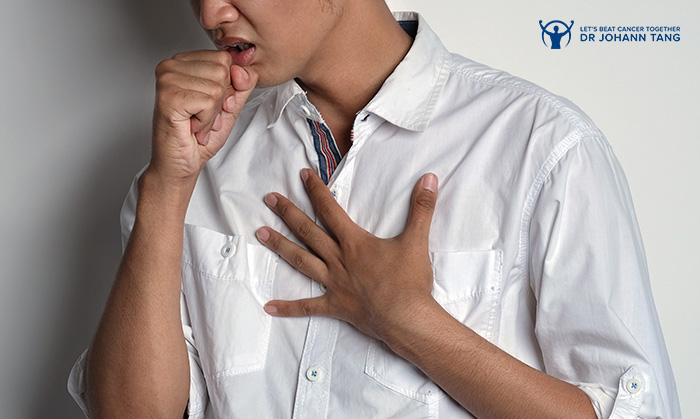
Although a chronic cough is a well-known symptom of lung cancer, it is not always present, especially in the early stages of the disease.
At the same time, many common conditions can also cause persistent coughing, including:
- Asthma
- Allergies
- Respiratory infections
- Acid reflux
This means that a cough alone does not confirm lung cancer, nor does the absence of a cough rule it out.
In many cases, early-stage lung cancer may cause few or no obvious symptoms. When symptoms do develop, they are often subtle and easily mistaken for less serious conditions.
Possible warning signs may include:
- Shortness of breath during normal activities
- Chest discomfort or tightness
- Persistent fatigue
- Unexplained weight loss
If these symptoms continue for several weeks or gradually worsen over time, it is advisable to seek medical advice.
Myth #3: Lung Cancer Is Always Fatal
A cancer diagnosis can feel frightening, but it does not always mean the outcome will be poor.
Lung cancer treatment is often planned based on factors such as the type and stage of cancer, test results, and the patient’s overall health. A doctor can advise on the most appropriate options after a proper medical assessment.
Several factors can influence prognosis, including:
The Type of Lung Cancer
Non-small cell lung cancer (NSCLC) generally grows more slowly and may respond differently to treatment compared to small cell lung cancer (SCLC), which tends to spread more aggressively.
Stage at Diagnosis
Earlier detection may provide more treatment options. Depending on the cancer stage and location, these may include surgery, radiation therapy, systemic treatment, or a combination of approaches.
Overall Health
A patient’s general health and fitness level can affect how well they tolerate treatment and recover during therapy.
Biomarkers and Genetic Mutations
Some lung cancers carry specific genetic mutations that may respond to targeted therapies or immunotherapy, offering additional treatment possibilities for selected patients.
Discussing these factors with an oncologist can help patients better understand their diagnosis and treatment options.
Myth #4: Lung Cancer Only Affects Older Adults
While lung cancer is more commonly diagnosed in older adults, it can also occur in younger individuals.
For this reason, symptoms should not be dismissed based on age alone. Ongoing or unexplained health changes deserve attention regardless of whether someone considers themselves “too young” to be at risk.
Early medical evaluation may help identify underlying conditions sooner and reduce delays in treatment if further investigation is needed.
When Should You See a Doctor?
Many people delay seeking medical advice because symptoms are mild, intermittent, or easily explained away. However, paying attention to persistent changes in your health is important.
Consider arranging a medical review if symptoms:
- Last longer than two to three weeks
- Continue despite rest or simple treatment
- Become more frequent or severe
- Begin interfering with daily activities
It can also help to monitor how symptoms affect everyday routines such as walking, climbing stairs, exercising, or working.
During your consultation, try to share details such as:
- When the symptoms first began
- Whether they are improving or worsening
- Any new symptoms that have developed
- How they are affecting your daily life
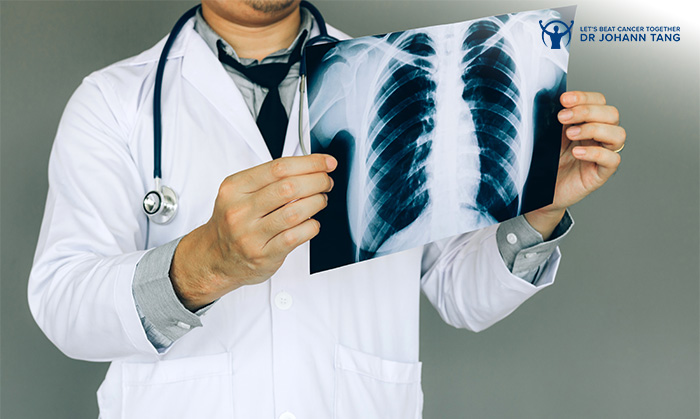
This information can help your doctor determine whether additional tests or imaging may be appropriate.
Understanding the Facts About Lung Cancer
Many myths about lung cancer are rooted in fear, stigma, or outdated information. Replacing these myths with evidence-based understanding can encourage earlier medical evaluation and more informed healthcare decisions.
If you or a loved one has concerns about symptoms, risk factors, or treatment options, Dr Johann Tang, a cancer specialist in Singapore, can provide clarity and guidance tailored to your individual situation.
Early assessment and timely medical attention may make an important difference in care and treatment outcomes.
Related Articles
Read this next ...
-

Cervical cancer is primarily caused by persistent infection with high-risk strains of human papillomavirus (HPV), a common sexually transmitted infection. While this cancer is one of the most preventable cancers, it remains a significant health concern worldwide. According to the World Health Organisation, cervical cancer affects more than 300,000 women globally each year. In Singapore, this cancer is the 10th most common cancer among women, highlighting the importance of early detection and prevention.
-

Prostate cancer is one of the leading cancers worldwide, typically affecting men over the age of 65. However, younger men are not entirely spared—roughly 1 in 10 cases are diagnosed in men under 55. While rare, these cases often present unique challenges, both in diagnosis and treatment, and can profoundly impact a man’s physical, emotional, and long-term well-being. For younger men, a diagnosis of prostate cancer often comes as a shock, disrupting careers, relationships, and family plans. Adding to the complexity, early symptoms may be subtle or atypical, leading to delays in seeking medical attention.
-

When a patient is diagnosed with cancer, it is understandable that they may consider alternative or complementary treatment for their cancer. One of these treatments is Traditional Chinese Medicine (TCM). However, is it safe to consume these medications during radiation therapy and cancer treatment? Let us explore the application of TCM in cancer treatment and radiation therapy to learn more.
-

Prostate cancer is one of the most common cancers in men. Learn about the risks of this disease, including factors like age, family medical history, and diet.

Dr Johann Tang
Senior Consultant Radiation Oncologist
Medical Director of ME Novena Specialist Group Pte Ltd
MBBS (Aust), FRANZCR (Radiation Oncology)
Dr Johann Tang is the Senior Consultant and Medical Director of ME Novena Specialist Group Pte Ltd. at Mount Elizabeth Novena Hospital and an Assistant Professor at the Yong Loo Lin School of Medicine, National University Singapore.
Why Choose Dr Johann Tang for Cancer Treatment in Singapore
Dr. Johann Tang is a radiation oncologist and cancer doctor in Singapore providing radiation therapy and cancer treatment for different types of cancers. Treatment plans are developed based on the patient’s diagnosis, cancer type, and medical condition. Radiation therapy techniques and treatment options are discussed during consultation, together with follow-up care and treatment planning for patients undergoing cancer treatment in Singapore.
"I guarantee my very best expertise delivered with compassion and dignity as we journey TOGETHER to BEAT this dreaded illness."
Make An Enquiry
Got Queries? Book an appointment with Dr Johann Tang by filling up this form. We'll get on a call with you as soon as possible.
Prefer to talk? Call us directly at +65 6690 6811
or email us at drjohanntang@gmail.com
