
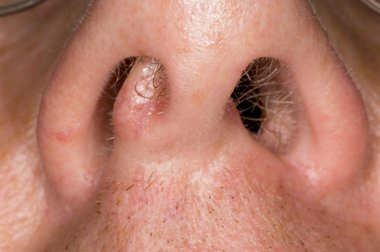
What is Nose Cancer?
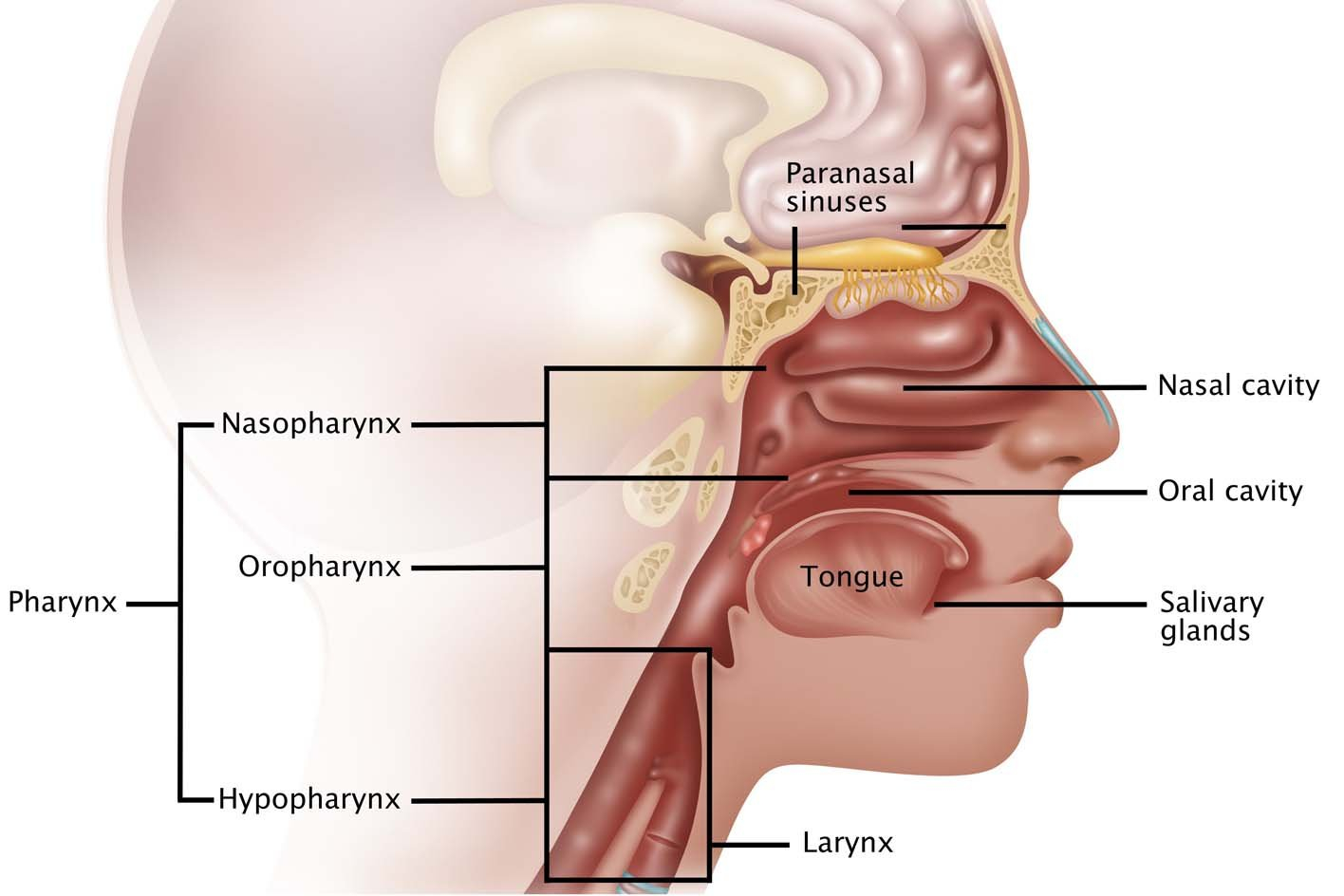
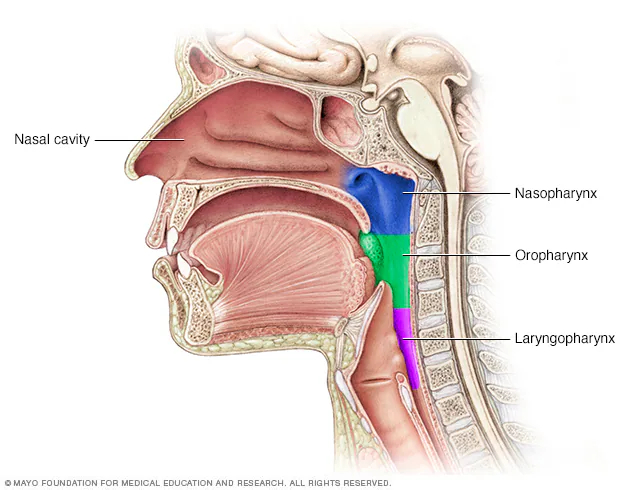
Nose cancer (often referring to nasopharyngeal cancer) develops in the area behind the nose and above the back of the throat, called the nasopharynx. The nasopharynx is the uppermost part of the throat, connecting to the back of the nasal cavity. Tumours arising here may involve the walls of the nasal passages, roof of the mouth, or areas adjacent to the base of skull.
In many cases, “nose cancer” is used interchangeably with nasopharyngeal cancer, though cancers can also arise in other nearby regions such as the nasal cavity or paranasal sinuses. Nasopharyngeal cancer is distinct from more common nose or sinus disorders. Its signs may include nasal congestion, nosebleeds, hearing loss (due to eustachian tube blockage), or lumps in the neck from lymph node involvement.
As nasopharyngeal tissue sits deep within the head, early symptoms can be subtle and present late. If you experience persistent nasal symptoms, hearing issues, or swollen neck nodes, an evaluation by an ENT specialist is essential to rule out nose cancer.
Nose Cancer: Signs and Symptoms
Recognising the early signs of nose cancer (nasopharyngeal cancer) can be challenging, as the symptoms may resemble common sinus or ear conditions. However, being aware of these warning signals allows for earlier diagnosis and treatment.
Persistent Nasal Congestion or Stuffiness
Ongoing nasal blockage or difficulty breathing through the nose, especially if it affects only one side, may indicate abnormal growth in the nasopharynx.
Frequent Nosebleeds or Bloody Nasal Discharge
Changes in Hearing (Blocked Ear, Tinnitus)
A Lump in the Neck (Enlarged Lymph Node)
Facial Pain, Numbness, or Swelling
Eye or Vision Problems
Headaches
Risk Factors and Causes of Nose Cancer
Several factors can increase the likelihood of developing nose cancer (nasopharyngeal cancer). Understanding these risks can help in early detection and prevention.
-
Genetic Predisposition
Certain inherited traits or genetic variations can make individuals more susceptible to nose cancer, particularly in populations where the disease is more common.
-
Epstein-Barr Virus (EBV) Infection
Infection with the Epstein-Barr virus has been strongly linked to the development of nasopharyngeal cancer. While EBV is widespread, only a small number of people with the infection go on to develop nose cancer.
-
Family History of Nose Cancer
Individuals with close relatives who have had nose cancer face a higher risk, suggesting both genetic and environmental influences.
-
High Salt-Preserved Food Diet
Frequent consumption of salt-cured foods, such as preserved fish and pickled items, has been associated with an increased risk of nose cancer due to carcinogenic compounds released during food preservation.
-
Smoking and Alcohol Use
Tobacco smoke and heavy alcohol intake can damage the cells lining the nasopharynx, raising the risk of developing nose cancer.
Understanding the Stages of Nose Cancer
Nose cancer is classified into four main stages.
- Stage 1: Cancer is confined to the nasopharynx.
- Stage 2: Cancer has spread to nearby areas or lymph nodes in the neck.
- Stage 3: Cancer has extended further into surrounding tissues or multiple lymph nodes.
- Stage 4: Advanced cancer that has spread to distant organs such as the bones, lungs, or liver.
Preventing Nose Cancer
While not all cases can be avoided, certain lifestyle choices and proactive measures may help reduce the risk of developing nose cancer and support overall health.
-
Healthy Diet
A balanced diet rich in fresh fruits, vegetables, and whole grains can help protect against cancer. Limiting the intake of salt-preserved and processed foods lowers exposure to harmful compounds linked to nose cancer.
-
Reduced Smoking and Alcohol
Avoiding tobacco and limiting alcohol consumption are important steps in lowering cancer risk. Both smoking and heavy drinking damage the delicate lining of the nasopharynx, contributing to the development of the disease.
-
Regular Check-Ups
Routine health check-ups and prompt consultation with an ENT specialist for persistent nasal, ear, or throat symptoms can enable earlier detection. Early diagnosis often makes nose cancer treatment more effective, improving recovery outcomes.
"I guarantee my very best expertise delivered with compassion and dignity as we journey TOGETHER to BEAT this dreaded illness."
- Dr Johann Tang
Make An Enquiry
Got Queries? Book an appointment with Dr Johann Tang by filling up this form. We'll get on a call with you as soon as possible.
Prefer to talk? Call us directly at +65 6690 6811
or email us at drjohanntang@gmail.com
Nose Cancer Treatment: What Are the Available Options?
Nose cancer treatment often involves a combination of therapies tailored to the stage of the disease, its location, and the patient’s overall health. Modern treatment approaches aim not only to control the tumour but also to preserve quality of life.
-
Nose Cancer Radiation Therapy
Radiation therapy is the primary treatment for most cases of nasopharyngeal cancer. It uses high-energy beams to destroy cancer cells in the nasopharynx and surrounding lymph nodes. Advanced techniques such as intensity-modulated radiation therapy (IMRT) allow for precise targeting, reducing damage to nearby healthy tissues.
-
Chemotherapy
Chemotherapy may be given alongside radiation (chemoradiation) or used for advanced cases where cancer has spread. It works by circulating anti-cancer drugs through the bloodstream to kill rapidly dividing cancer cells.
-
Surgery
While surgery is less common due to the hard-to-reach location of the nasopharynx, it may be considered in certain cases, such as when the cancer recurs locally or does not respond fully to other treatments. Surgeons use advanced endoscopic techniques to minimise tissue disruption.
-
Targeted Therapy & Immunotherapy
Newer treatments focus on strengthening the body’s ability to fight cancer. Targeted therapy uses drugs that block specific molecules involved in cancer growth, while immunotherapy boosts the immune system’s response against tumour cells. These options are often used in advanced or recurrent cases of nose cancer.
Preparing for Nose Cancer Treatment
Before beginning nose cancer treatment in Singapore, your doctor will conduct a thorough assessment that may include physical examinations, imaging scans, and blood tests. This helps determine the most effective treatment plan for your specific stage and condition.
Recovering from Nose Cancer Treatment
Recovery after nose cancer treatment is an important phase that goes beyond managing the disease itself. Supportive care helps patients regain strength, manage side effects, and improve quality of life.
Regular follow-ups with a cancer specialist are essential to monitor progress, detect any recurrence early, and provide ongoing medical guidance. These visits may include physical examinations, imaging scans, and blood tests.
Lifestyle adjustments also play a vital role in recovery. Eating a nutritious diet, staying physically active within safe limits, and avoiding smoking or alcohol can aid healing and reduce the risk of complications. Emotional and psychological support, through counselling, support groups, or family involvement, can further improve long-term well-being.
Related Articles
-

Proton Therapy: How It Is Beneficial For Nasopharyngeal Cancer
Nasopharyngeal cancer, or nose cancer, is one of the most common cancers in males in Singapore. It occurs in the cells lining the area behind the nose and just above the back of the throat. This cancer poses a unique treatment challenge because the tumours typically involve complex anatomic structures near several critical organ structures.[...]
Contact Dr Johann Tang
Frequently Asked Questions
Early symptoms may include persistent nasal congestion, frequent nosebleeds, hearing problems such as blocked ear or ringing, and a painless lump in the neck. Because these signs can be mistaken for common conditions, medical evaluation is recommended if they persist.
Yes, nose cancer can be curable, especially when detected early. Advances in radiation therapy, chemotherapy, and other treatments have significantly improved survival rates and long-term outcomes for many patients.
Diagnosis usually involves a combination of physical examination, nasoendoscopy (using a thin camera to view the nasopharynx), imaging tests such as MRI or CT scans, and biopsy to confirm the presence of cancer cells. Blood tests for Epstein-Barr virus (EBV) markers may also be used.
The most effective nose cancer treatment depends on the stage of the disease. Radiation therapy, often combined with chemotherapy, is considered the standard first-line approach. In some cases, targeted therapy or immunotherapy may be added, especially for advanced or recurrent disease.
Yes, adopting a healthy diet, avoiding smoking and alcohol, and attending regular follow-up appointments can improve recovery and reduce the risk of recurrence after treatment.
