
Stereotactic Radiotherapy for Multiple Cancers: Effectiveness, Benefits, and Considerations
Medically reviewed by Dr Johann Tang, Senior Consultant Radiation Oncologist

Facing a cancer diagnosis often brings a wave of uncertainty, raising important questions about treatment options. You might wonder if there is a way to target the tumour effectively without causing significant damage to the surrounding healthy tissues. Perhaps you’re looking for a treatment that doesn’t require lengthy and physically demanding therapy sessions. These concerns are valid, as traditional treatments can sometimes feel overwhelming.
For certain cancers, Stereotactic Body Radiation Therapy (SBRT) offers an alternative solution. The stereotactic radiotherapy delivers high doses with precision over a maximum of 5 days instead of 4-6 weeks, focusing on the tumour while sparing the surrounding healthy tissues. By addressing some of the most common concerns in cancer treatment, SBRT is helping to reshape the patient experience.
In the upcoming section of this guide, you’ll learn how stereotactic radiotherapy works, how it differs from traditional radiation therapies, and why it’s becoming a preferred option for cancers such as those of the prostate, lung, liver, and bones. We’ll also explore the benefits and challenges of this treatment, helping you weigh its suitability for your situation. Additionally, a section dedicated to frequently asked questions will address common concerns, ensuring you have the knowledge needed to make informed decisions about cancer care.
Let’s get started.
How Stereotactic Body Radiation Therapy (SBRT) Works

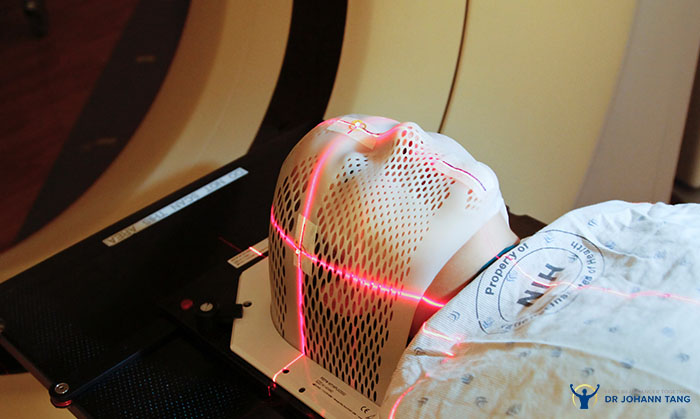
Stereotactic Body Radiation Therapy (SBRT) is a form of radiation treatment that uses precise, high doses of radiation aimed directly at a tumour. The stereotactic radiotherapy is distinct from traditional radiation therapies because it delivers concentrated high radiation doses over a short period of time usually to a specific target with minimal exposure to the surrounding healthy tissues. The treatment involves multiple sessions, but these are generally fewer than those required in conventional radiation therapy, often only 3 to 5 sessions over the course of one week.
SBRT typically uses imaging technologies, such as CT, PET scans or MRIs, to locate the tumour. This imaging helps guide the radiation beams with high accuracy, ensuring that the tumour receives the correct dosage while minimising radiation to nearby organs. The treatment is delivered in a manner that accounts for any real time movement of the tumour, such as from breathing, by using techniques that adjust the radiation delivery in real-time.
The high-dose radiation in stereotactic radiotherapy can damage the DNA of cancer cells, preventing them from dividing and growing. Over time, this leads to tumour shrinkage or destruction, depending on the tumour’s response. While SBRT is effective for certain types of cancer such as prostate, lung or liver, its suitability depends on factors like tumour size, location, and the overall health of the patient.
Benefits of SBRT in Treating Cancer

Now that we’ve explored how SBRT works, it’s important to delve into the reasons why this treatment is considered advantageous for many patients. Understanding its benefits helps to clarify why it is gaining traction as an alternative to traditional cancer therapies. Here’s a closer look at its many benefits.
1. High Precision and Accuracy
SBRT’s precision is achieved through the use of advanced imaging tools like CT, MRI, and PET scans, which allow radiation to be delivered with great accuracy. This precision is especially effective for patients with tumours located near critical structures, such as the lungs, liver, or spine, where traditional radiation could affect nearby organs. As stereotactic radiotherapy targets only the tumour cells, it reduces the risk of complications often associated with conventional radiation treatments, such as organ damage or radiation-induced secondary cancers.
2. Fewer Treatment Sessions
In contrast to conventional radiation therapy, which may involve daily treatments over several weeks, stereotactic radiotherapy typically requires 3-5 sessions only. This reduced treatment schedule can significantly ease the burden on patients, who would otherwise need to commit to lengthy daily radiation sessions. The shorter treatment duration makes SBRT a more convenient option for many, allowing patients to maintain their regular activities with minimal disruption.
3. Minimal Side Effects
Another notable benefit of stereotactic radiotherapy is its reduced risk of side effects. Traditional radiation treatments can cause a range of adverse effects, such as fatigue, skin irritation, and damage to healthy tissues near the tumour. However, SBRT’s precision in targeting the tumour means that less healthy tissue is affected, leading to fewer side effects.
While you might experience certain side effects, they are often less severe compared to those experienced with conventional therapies. For example, patients may experience less fatigue and skin irritation, allowing for a quicker recovery period and fewer complications.
4. Improved Quality of Life
One of the biggest advantages of SBRT is its potential to improve a patient’s quality of life. With fewer treatment sessions, reduced side effects, and faster recovery times, patients can experience less disruption to their daily lives. This can have a significant impact on their emotional and psychological well-being, as they are able to return to their normal routines more quickly.
For many, this enhanced quality of life makes SBRT an appealing option, particularly when compared to the often exhausting and time-consuming nature of conventional cancer treatments.
Essentially. SBRT provides an effective, patient-friendly alternative to traditional cancer therapies, making it an alternative treatment option for patients with a variety of cancers, including prostate, lung, liver, and bone cancers.
SBRT for Prostate Cancer Treatment
SBRT is commonly used in the treatment of localised prostate cancer, offering a method to target the tumour with high precision while limiting radiation exposure to surrounding tissues. This technique involves delivering concentrated doses of radiation directly to the prostate tumour, thereby reducing the risk of damage to nearby organs such as the bladder and rectum. In comparison to traditional radiation therapies, which may require a longer treatment schedule such as 4 weeks, stereotactic radiotherapy generally requires only 5 sessions, making it a more time-efficient option for patients.
One of the significant advantages of SBRT is the reduction in side effects commonly associated with prostate cancer treatments, such as rectal irritation, erectile dysfunction and urinary incontinence. SBRT has shown lower incidence of these side effects when compared to conventional treatments and for many patients, this can contribute to an improved quality of life during and after treatment. Furthermore, stereotactic radiotherapy also provides similar, if not better, tumour control rates than traditional radiation therapies. This makes SBRT a viable treatment option for patients looking for effective tumour management with a reduced number of sessions and potentially fewer long-term complications.
SBRT for Lung Cancer Treatment

Similarly, SBRT has proven effective in treating lung cancer, particularly early stage non-small cell lung cancer (NSCLC) and other lung tumours that are inoperable or located in hard-to-reach areas. The precision of SBRT allows radiation to be directed at the tumour, making it particularly beneficial for patients with tumours near vital organs like the heart and spinal cord, where traditional radiation therapies may cause unwanted damage.
Additionally, stereotactic radiotherapy typically requires fewer treatment sessions, usually 3-5 sessions, as compared to conventional radiation therapy, which can involve more sessions spread over a longer period of time. This shorter treatment course can be appealing for patients who prefer a quicker resolution of their lung cancer treatment. With its precision and fewer sessions, SBRT can also result in fewer side effects such as fatigue, cough, and shortness of breath, leading to a faster recovery period for many patients.
SBRT for Liver Cancer Treatment
For patients with liver cancer, particularly those with primary hepatocellular carcinoma (HCC) or liver metastases, SBRT offers a targeted radiation option, especially for those who cannot undergo surgery or other treatments like ablation. The precision of SBRT is especially important for patients with compromised liver function or other underlying health conditions that may restrict the use of more invasive treatments.
SBRT for liver cancer is made possible through advanced imaging techniques such as four-dimensional CT and MRI scans, which help to track the movement of the liver during breathing. This ensures that radiation is delivered accurately to the tumour, even when the liver moves. The fewer treatment sessions—usually 3 to 5 —is also beneficial for patients who may have difficulty with prolonged treatment schedules. Overall, stereotactic radiotherapy provides an option for liver cancer treatment that focuses on tumour control while attempting to preserve healthy liver function.
SBRT for Stage 4 Oligometastatic Treatment
SBRT is also increasingly being used for patients with stage 4 oligometastatic cancer—a state where the cancer has spread but only to a limited number of sites such as the bone, lymph nodes, liver, lung, or other discrete areas in the body. Unlike traditional palliative radiotherapy, which primarily focuses on symptom relief, SBRT in this setting aims to aggressively treat each metastatic site with curative intent.
Clinical trials have demonstrated that patients with oligometastatic disease who receive SBRT can experience significantly prolonged survival compared to those receiving standard palliative care. The ability of SBRT to precisely target multiple metastatic lesions while sparing healthy tissue makes it a promising option in managing stage 4 cancer more effectively. For suitable patients, SBRT provides hope not just for symptom control, but for meaningful life extension and improved overall outcomes.
Tailored Treatment Plans Based on Cancer Type, Stage, and Patient Health
While stereotactic radiotherapy (SBRT) is a highly effective treatment option for many types of cancer, it is not a one-size-fits-all solution. The suitability of SBRT depends on several individual factors, including the type and stage of cancer, the tumour’s size and location, and the patient’s overall medical condition. For instance, larger tumours or those situated near critical organs may not be ideal for SBRT, as the high doses of radiation required could increase the risk of damage to healthy tissues. Similarly, patients with compromised immune systems or widespread metastases may benefit more from alternative treatments. A personalised assessment by a medical specialist is essential to determine whether SBRT is the most appropriate and effective approach for each unique case
Explore SBRT for Cancer Treatment with Dr Johann Tang
Stereotactic Body Radiation Therapy (SBRT) offers a targeted approach for treating various cancers, providing an alternative to traditional radiation therapies. By focusing radiation precisely on the tumor, SBRT minimises damage to healthy surrounding tissue, resulting in fewer side effects and faster treatment schedules. However, as with any treatment, it’s important to consider the patient’s specific condition, the tumor’s characteristics, and the potential challenges associated with SBRT, such as the need for advanced technology and ongoing monitoring. Each case requires careful evaluation to determine if SBRT is the most suitable option, considering both its benefits and limitations.
If you’re considering SBRT or any other cancer treatment options, it’s important to consult with a medical professional who has experience in managing complex cancer cases. Dr. Johann Tang brings a wealth of experience in treating a wide variety of cancers, including breast, gynaecological, upper gastrointestinal, lower gastrointestinal, head and neck, prostate, lung, brain, lymphomas, sarcomas, and paediatric cancers. He was the radiotherapy service head for gynaecology, breast, paediatric neuro-oncology, and brachytherapy. His subspecialties and research interests include breast, gynaecological, brain, and paediatric tumours. With his expertise, patients can receive a tailored treatment plan designed to meet their specific needs.
Reach out today to schedule a consultation with Dr. Johann Tang and explore the treatment options available for your specific cancer type.
Related Articles
Read this next ...
-

Lung cancer remains a significant health concern globally, and Singapore is no exception. According to the Singapore Cancer Society, this particular cancer is the leading cause of death for men and the third leading cause of death for women here. While advancements in medical science have improved cancer treatment options tremendously, understanding the causes of lung cancer can greatly help in prevention and early detection. Let’s explore the key risk factors and contributors to this disease.
-

Radiation therapy is an often-recommended cancer treatment plan because it is a highly effective way to destroy cancer cells. However, it can be a little tough on the body.
-
Brain tumours may form as a result of abnormal cell growth in the brain. They can be categorised into benign and malignant tumours
-

Radiation therapy is one of the many treatment options in oncology, used to target and destroy cancer cells. Depending on the type and location of the tumour, different types of radiation therapy are available, each with its own advantages. If you or a loved one is considering radiation therapy, it’s essential to understand the various options to determine which one best suits your needs. Here’s a quick breakdown of the most common types of radiation therapy.

Dr Johann Tang
Senior Consultant Radiation Oncologist
Medical Director of ME Novena Specialist Group Pte Ltd
MBBS (Aust), FRANZCR (Radiation Oncology)
Dr Johann Tang is the Senior Consultant and Medical Director of ME Novena Specialist Group Pte Ltd. at Mount Elizabeth Novena Hospital and an Assistant Professor at the Yong Loo Lin School of Medicine, National University Singapore.
Why Choose Dr Johann Tang for Cancer Treatment in Singapore
Dr. Johann Tang is a radiation oncologist and cancer doctor in Singapore providing radiation therapy and cancer treatment for different types of cancers. Treatment plans are developed based on the patient’s diagnosis, cancer type, and medical condition. Radiation therapy techniques and treatment options are discussed during consultation, together with follow-up care and treatment planning for patients undergoing cancer treatment in Singapore.
"I guarantee my very best expertise delivered with compassion and dignity as we journey TOGETHER to BEAT this dreaded illness."
Make An Enquiry
Got Queries? Book an appointment with Dr Johann Tang by filling up this form. We'll get on a call with you as soon as possible.
Prefer to talk? Call us directly at +65 6690 6811
or email us at drjohanntang@gmail.com
Frequently Asked Questions
SBRT (Stereotactic Body Radiation Therapy) is a highly effective treatment for prostate, lung, liver, and bone cancers. Clinical trials have shown it to prolong survival for oligometastatic patients when compared to conventional palliative radiotherapy. In addition, for prostate cancer, it has shown to be as effective as conventional radiation treatment with the added benefit of reducing treatment to 1 week vs 4 weeks of standard radiation treatment.
Prostate SBRT also delivers excellent tumour control rates with fewer side effects compared to traditional radiation therapies.
In early-stage lung cancer or cases where surgery isn’t an option, SBRT provides a similar option to surgery with the added benefit of a non-invasive alternative with high success rates.
For liver cancer, stereotactic radiotherapy offers precise, targeted treatment, particularly for patients ineligible for surgery, achieving strong tumour response rates while sparing healthy tissue.
In stage 4 oligometastatic patients (where cancer has already spread), SBRT effectively reduces pain and controls tumour growth with minimal impact on surrounding structures. This precision-focused approach makes SBRT a versatile option across various cancer types.
SBRT is a faster treatment option compared to traditional radiation therapies. Most patients undergo 5 sessions over the course of one week. Each session typically lasts between 20 to 45 minutes. Due to the precision of SBRT, fewer treatments are needed, making it a more convenient and efficient option for patients with liver, prostate, lung or stage 4 cancer.
