
Common Cancers That Affect Men: What to Watch For
Medically reviewed by Dr Johann Tang, Senior Consultant Radiation Oncologist

Key Takeaways
- Prostate, lung and liver cancers, as well as lymphomas, are some of the most common types of cancers in men.
- Many of these cancers are asymptomatic in their early stages, making routine screening and proactive care crucial.
- Risk factors such as age, family history, chronic infections, and lifestyle habits influence screening recommendations and follow-up needs.
An Overview of Common Types of Cancers in Singaporean Men
Certain types of cancers are more commonly diagnosed in men, yet men are less likely to seek medical help when symptoms first appear. As a result, some cancers are only identified at a more advanced stage.
Below is an overview of several common cancers affecting men in Singapore, including their symptoms and associated risk factors to support earlier evaluation, timely diagnosis, and more informed healthcare decisions.
1. Prostate Cancer
Prostate cancer is the most commonly diagnosed cancer among men in Singapore. In many cases, it develops slowly and may not cause noticeable symptoms in its early stages. As a result, some men may feel completely well at the time of diagnosis.
When symptoms do occur, they often appear during localised or more advanced stages of disease. Common symptoms may include:
- Difficulty starting urination
- A weak or interrupted urine stream
- Frequent urination, particularly at night
- A feeling of incomplete bladder emptying
Men who may have a higher risk of developing prostate cancer include:
- Men above the age of 50
- Those with a family history of prostate cancer
- Chinese men, who have a relatively higher incidence compared to Malay or Indian men
For individuals at increased risk, discussions about prostate cancer screening may be appropriate even in the absence of symptoms. Screening may involve a prostate-specific antigen (PSA) blood test and, in selected cases, a digital rectal examination (DRE), depending on the individual’s age, health status, and personal preferences.
Early detection may provide access to a broader range of prostate cancer treatment options, including surgery, radiation therapy, proton therapy, and hormonal therapy.
2. Lung Cancer
Lung cancer remains one of the leading causes of cancer-related deaths among men in Singapore. While smoking is the most significant risk factor, lung cancer can also occur in non-smokers due to exposure to secondhand smoke, environmental pollutants, and other risk factors.
Early symptoms are often subtle and may resemble common respiratory conditions. Symptoms that should not be ignored include:
- A persistent cough that does not improve
- Chest pain or discomfort
- Shortness of breath
- Unexplained weight loss
- Coughing up blood
Because lung cancer is frequently diagnosed at a later stage, persistent or unexplained respiratory symptoms should be medically assessed.
Screening with low-dose computed tomography (LDCT) is generally recommended only for individuals at higher risk, such as heavy smokers or former smokers with a more comprehensive smoking history.
When detected early, lung cancer treatment options may include surgery, stereotactic body radiotherapy (SBRT), targeted therapy, or systemic treatments, potentially leading to improved outcomes.
3. Colorectal Cancer
Colorectal cancer affects the colon and rectum. Many colorectal cancers begin as small, non-cancerous growths known as polyps, which may gradually develop into cancer over time.
In the early stages, polyps and colorectal cancer may not cause symptoms. As the condition progresses, symptoms may include:
- Blood in the stool
- Changes in bowel habits, including diarrhoea or constipation
- Narrower stools
- Abdominal cramps, bloating, or discomfort
- Persistent fatigue, anaemia, or unexplained weight loss
Risk factors for colorectal cancer include:
- Age 50 and above
- A family history of colorectal cancer or polyps
- Inflammatory bowel diseases such as ulcerative colitis or Crohn’s disease
Colonoscopy remains one of the most common screening methods, as it allows doctors to detect and remove precancerous polyps before they develop into cancer.
For individuals at average risk, screening is commonly recommended from age 50 onwards, with screening intervals determined by findings and individual risk factors. Those with higher risk may require earlier or more frequent screening.
4. Liver Cancer
Liver cancer is among the more common types of cancers affecting Singaporean men. Specifically, men are at higher risk of hepatocellular carcinoma (HCC), which often develops in individuals with chronic liver disease.
Risk factors include:
- Chronic Hepatitis B or Hepatitis C infection
- Liver cirrhosis
- Long-term heavy alcohol consumption
- Non-alcoholic fatty liver disease
- Obesity, diabetes, and metabolic conditions
Symptoms may not appear until the disease has progressed. When present, they may include:
- Persistent fatigue
- Loss of appetite
- Unexplained weight loss
- Abdominal swelling or discomfort
- Pain in the upper right abdomen
- Yellowing of the skin or eyes (jaundice)
For individuals at higher risk, regular surveillance may be recommended. This can include alpha-fetoprotein (AFP) blood tests and liver ultrasound scans at intervals determined by the patient’s clinical condition and doctor’s recommendations.
Early detection may improve the range of available treatment options and overall outcomes.
5. Lymphomas (Lymphoid Neoplasms)
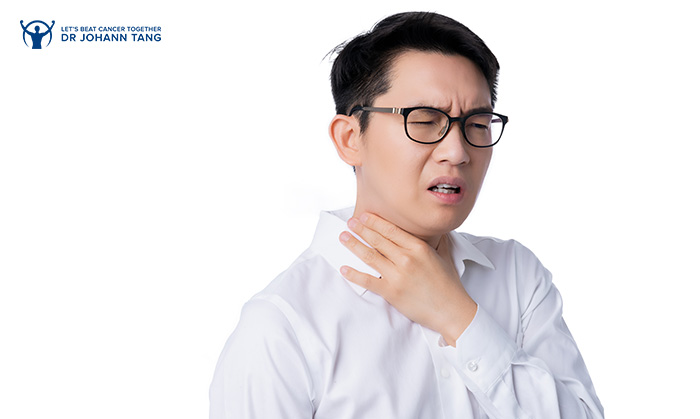
Lymphomas are cancers that arise from the lymphatic system, which plays an important role in the body’s immune function. They are broadly divided into two main groups:
- Hodgkin lymphoma
- Non-Hodgkin lymphoma
Hodgkin lymphoma is more commonly diagnosed in younger adults, while non-Hodgkin lymphoma is more frequently seen with increasing age.
Like many cancers, lymphomas may develop without obvious early symptoms. Symptoms that may warrant further evaluation include:
- Painless swelling of lymph nodes in the neck, armpits, or groin
- Persistent fever without clear infection
- Night sweats
- Unexplained weight loss
- Ongoing fatigue
There is currently no routine population-wide screening programme for lymphoma in Singapore. Diagnosis typically involves clinical evaluation, blood tests, imaging scans, and sometimes a lymph node biopsy to determine the specific subtype and extent of disease.
Moving Forward With Greater Awareness
Awareness of the common types of cancers in men can help individuals recognise potential warning signs earlier and make informed decisions about screening and medical evaluation. While concerns about cancer can understandably feel overwhelming, access to reliable information and timely medical advice can provide reassurance and may support better outcomes.
Dr Johann Tang is a radiation oncologist in Singapore who supports patients throughout their cancer journey, from diagnosis to treatment and follow-up care. If you have concerns about symptoms, screening, or cancer treatment options, seeking professional medical advice can help you better understand the next appropriate steps.
Contact us today.
Related Articles
Read this next ...
-

Cancer treatments such as chemotherapy, radiation, or surgery can leave the body feeling drained, with side effects like nausea, fatigue, and appetite loss making the journey even more challenging. At times like these, nutrition becomes a vital ally. The right cancer diet can help manage these side effects, bolster the immune system, and provide the strength and energy the body needs to recover and heal.
-

Prostate cancer is the second most common type of cancer among men. As such, it is important for men to be aware of the risk factors involved in the disease and the treatment available if they are diagnosed with the illness.
-

A breast cancer diagnosis is a life-changing event and it can be difficult to cope with the mental and physical toll. Here are some tips to help patients.
-

Are you or someone close to you facing a cancer diagnosis? While there isn’t a definitive cure for cancer, advancements in medicine offer various treatments to stop its growth, prevent metastasis, and, in many cases, eliminate it entirely. The key to effective treatment lies in understanding the stages of cancer and tailoring therapies accordingly. Let’s explore the different stages of cancer and the treatment options available at each phase.

Dr Johann Tang
Senior Consultant Radiation Oncologist
Medical Director of ME Novena Specialist Group Pte Ltd
MBBS (Aust), FRANZCR (Radiation Oncology)
Dr Johann Tang is the Senior Consultant and Medical Director of ME Novena Specialist Group Pte Ltd. at Mount Elizabeth Novena Hospital and an Assistant Professor at the Yong Loo Lin School of Medicine, National University Singapore.
Why Choose Dr Johann Tang for Cancer Treatment in Singapore
Dr. Johann Tang is a radiation oncologist and cancer doctor in Singapore providing radiation therapy and cancer treatment for different types of cancers. Treatment plans are developed based on the patient’s diagnosis, cancer type, and medical condition. Radiation therapy techniques and treatment options are discussed during consultation, together with follow-up care and treatment planning for patients undergoing cancer treatment in Singapore.
"I guarantee my very best expertise delivered with compassion and dignity as we journey TOGETHER to BEAT this dreaded illness."
Make An Enquiry
Got Queries? Book an appointment with Dr Johann Tang by filling up this form. We'll get on a call with you as soon as possible.
Prefer to talk? Call us directly at +65 6690 6811
or email us at drjohanntang@gmail.com
