
Uncovering the Lesser-Known Interesting Facts About Breast Cancer: Insights Beyond the Basics
Medically reviewed by Dr Johann Tang, Senior Consultant Radiation Oncologist

Breast cancer is one of the most prevalent cancers globally, impacting approximately 1 in 8 women over their lifetime. Each year, millions of new cases are diagnosed worldwide. Yet, beyond the commonly known facts, there’s a wealth of interesting facts about breast cancer that often go unnoticed. Did you know, for instance, that men can develop breast cancer too? Or that lifestyle choices can significantly alter one’s risk? Let’s uncover some of the lesser-known insights about this disease that could change how you perceive it.
1. Genetic Variants Beyond BRCA1/BRCA2
When most people think of breast cancer and genetics, the BRCA1 and BRCA2 mutations usually come to mind. While these genetic mutations play a significant role in breast cancer risk, they don’t account for all cases. In fact, there are other genetic variants, such as mutations in the PALB2, CHEK2, and ATM genes, that can also increase the likelihood of developing breast cancer.
These lesser-known genes have been shown to play critical roles in DNA repair and tumour suppression. Understanding these genetic variants is crucial for identifying individuals at risk who may not have the well-known BRCA mutations but could still carry an elevated risk of the disease.
2. Male Breast Cancer
Breast cancer isn’t just a woman’s disease. Though rare, men can develop breast cancer too, and it’s often diagnosed later than in women due to a lack of awareness. Male breast cancer accounts for less than 1% of all breast cancer cases, but it’s still a serious condition. Symptoms like a lump near the nipple, changes in the skin, or unusual discharge should not be dismissed, even for men. Understanding that men can get breast cancer helps ensure that symptoms are recognised earlier, leading to better breast cancer treatment plans and outcomes.
3. Environmental Factors and Breast Cancer
We often think of lifestyle and genetics when considering breast cancer risk, but another interesting fact about breast cancer is that environmental factors can also play a significant role. Prolonged exposure to radiation, whether through medical treatments or environmental sources such as stress, increases the likelihood of developing breast cancer, especially in younger individuals. Certain chemicals found in everyday items—like pesticides, plastics, and industrial pollutants—have been linked to an increased risk as well.
While these connections are complex and still under study, it’s clear that our environment can impact our health in ways that are not always immediately visible. Being mindful of potential environmental risks, such as limiting exposure to harmful chemicals or advocating for cleaner air, may help lower the chances of developing breast cancer.
4. The Impact of Lifestyle Choices
Perhaps one of the most interesting facts about breast cancer is how much our everyday choices can influence both the risk of developing the disease and its progression. Research shows that regular exercise, even moderate activity like walking, can reduce breast cancer risk by up to 20%. Exercise helps regulate hormone levels, like oestrogen, which can fuel some types of breast cancer.
A balanced diet also plays a major role. Consuming more fruits, vegetables, and whole grains, while limiting processed foods and alcohol, has been linked to a reduced risk of breast cancer. Maintaining a healthy weight, particularly after menopause, is another important factor, as obesity is associated with a higher likelihood of developing breast cancer.
These interesting facts about breast cancer highlight just how much more there is to learn about this common disease. From the roles of lesser-known genetic factors to the surprising reality of male breast cancer, breast cancer is far more complex than it may seem. The more we know, the better we can protect ourselves and others, leading to early detection, better outcomes, and, ultimately, a greater chance of prevention. Whether it’s through genetics, awareness of environmental risks, or adopting healthier habits, the key lies in education and awareness.
If you’re concerned about your breast cancer risk or would like to learn more about preventive care, Dr. Johann Tang, a breast cancer doctor in Singapore, is here to help. With a wealth of experience and expertise in the latest breast cancer treatments and prevention strategies, Dr. Tang provides personalised care to ensure your health is in the best hands.
Schedule a consultation today to discuss your concerns and explore the cancer treatment options available to you. Don’t wait—take proactive steps toward better breast health now.
Related Articles
Read this next ...
-
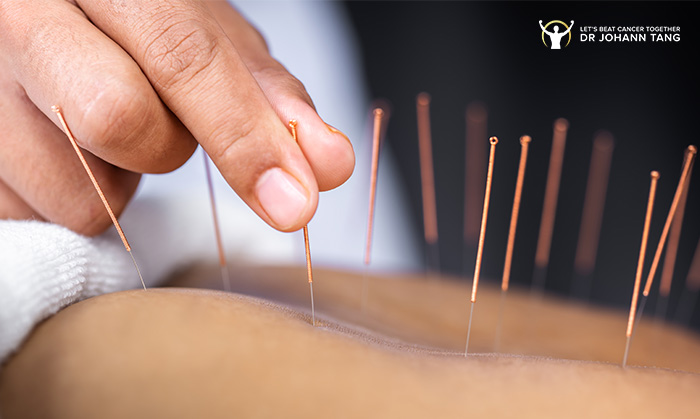
This article explores the relationship between acupuncture and cancer care, focusing on how acupuncture may support individuals experiencing discomfort during treatment. Join us as we explore common causes of cancer-related pain, how acupuncture may influence pain management, and what to consider before starting. Keep reading to learn how to discuss acupuncture safely with your oncology team.
-

Barriers and solutions to implementation of a successful programme – a single institutional experience.
-

Proton therapy is often recommended for treating prostate cancer, as it delivers high doses of radiation directly to targeted areas, eradicating cancer cells in the prostate while reducing radiation exposure to the bladder, rectum, and other gastrointestinal organs. In this article, let us share its benefits, side effects, and who is a suitable candidate for this treatment.
-
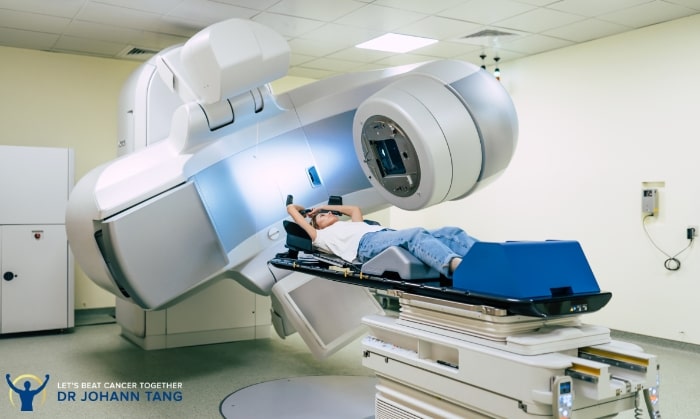
Radiation therapy is an increasingly common cancer treatment due to new imaging technologies, a good safety record, and how it complements other treatments.

Dr Johann Tang
Senior Consultant Radiation Oncologist
Medical Director of ME Novena Specialist Group Pte Ltd
MBBS (Aust), FRANZCR (Radiation Oncology)
Dr Johann Tang is the Senior Consultant and Medical Director of ME Novena Specialist Group Pte Ltd. at Mount Elizabeth Novena Hospital and an Assistant Professor at the Yong Loo Lin School of Medicine, National University Singapore.
Why Choose Dr Johann Tang for Cancer Treatment in Singapore
Dr. Johann Tang is a radiation oncologist and cancer doctor in Singapore providing radiation therapy and cancer treatment for different types of cancers. Treatment plans are developed based on the patient’s diagnosis, cancer type, and medical condition. Radiation therapy techniques and treatment options are discussed during consultation, together with follow-up care and treatment planning for patients undergoing cancer treatment in Singapore.
"I guarantee my very best expertise delivered with compassion and dignity as we journey TOGETHER to BEAT this dreaded illness."
Make An Enquiry
Got Queries? Book an appointment with Dr Johann Tang by filling up this form. We'll get on a call with you as soon as possible.
Prefer to talk? Call us directly at +65 6690 6811
or email us at drjohanntang@gmail.com
