
Blog
-

Prostate Cancer: Overview of Clinical Management Approaches
Are you or a loved one diagnosed with prostate cancer? Upon receiving the news, you may wish to learn more about the disease and the treatment options available. This guide will share more details about the common prostate cancer treatments available to patients with prostate cancer and how they can cope with the possible side effects and complications from the treatment. [...]
-

Proton Therapy: How It Is Beneficial For Nasopharyngeal Cancer
Nasopharyngeal cancer, or nose cancer, is one of the most common cancers in males in Singapore. It occurs in the cells lining the area behind the nose and just above the back of the throat. This cancer poses a unique treatment challenge because the tumours typically involve complex anatomic structures near several critical organ structures. [...]
-

Top 5 Lung Cancer Causes In Non-Smokers
Smoking is by far the leading cause of lung cancer. However, it is not associated with every case of lung cancer. In fact, non-smokers make up only three in ten lung cancer patients in Singapore, according to a study by the National Cancer Centre Singapore (NCCS). [...]
-

Breast Cancer: Separating Fact From Fiction
Breast cancer is the most commonly occurring cancer among women in Singapore, accounting for 29.7% of all cancers diagnosed in females. [...]
-
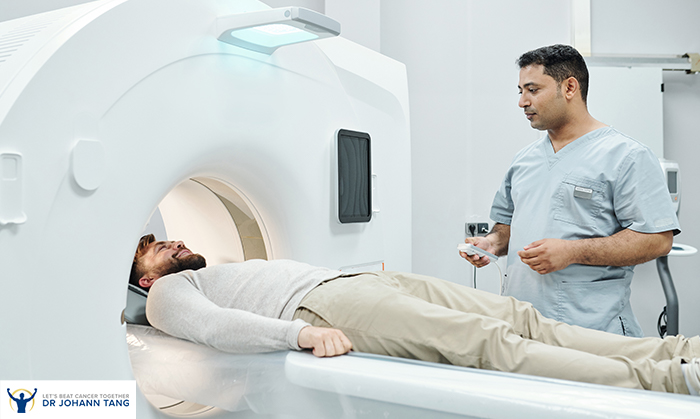
Guided Radiation Therapy & Brachytherapy for Prostate Cancer in Singapore
As the 3rd most common cancer diagnosed in males in Singapore, prostate cancer has been increasing in incidence over the last few decades. [...]
-

Proton Therapy: How It Is Beneficial For Prostate Cancer Patients
Proton therapy is often recommended for treating prostate cancer, as it delivers high doses of radiation directly to targeted areas, eradicating cancer cells in the prostate while reducing radiation exposure to the bladder, rectum, and other gastrointestinal organs. In this article, let us share its benefits, side effects, and who is a suitable candidate for this treatment. [...]
-

Cancer Prevention: How To Reduce Your Risk of Cancer
Due to advancements in the medical field, various cancer treatments are now widely available in Singapore to help combat the disease. [...]
-

The Link Between Diabetes And Cancer: What You Need To Know
Studies have shown that men have a higher risk of developing cancer than women. They are also more likely to develop diabetes. In this article, we will explore the potential links between the two diseases, their shared risk factors, and what readers can do to reduce their risk of developing diabetes and cancer while staying healthy. [...]
-

How Radiation Therapy Is Used To Treat Lung Cancer
Radiation therapy is a type of cancer treatment that kills or slows the growth of cancer cells by damaging their DNA. The radiation causes the cells to stop dividing or die over a period of days or weeks, continuing even after radiotherapy ends. [...]
« Previous
1
2
3
4
5
6
…
8
Next »
