
Are All Breast Lumps a Sign of Cancer? Understanding the Possibilities
Medically reviewed by Dr Johann Tang, Senior Consultant Radiation Oncologist

Key Takeaways
- Finding a breast lump can be worrying, but it may not always be a sign of cancer.
- Certain features, such as persistence or associated skin or nipple changes, warrant timely medical review.
- Clinical assessment, imaging, and, when necessary, biopsy help clarify the nature of a breast lump.
- Early evaluation supports informed decision-making and appropriate care planning.
- Understanding what to expect during assessment can help reduce anxiety and provide reassurance.
Understanding Breast Lumps: When to Seek Medical Attention in Singapore
Discovering a breast lump can be worrying. Many people immediately fear cancer and may begin repeatedly checking the area or feeling uncertain about what to do next. While these concerns are understandable, it is important to remember that breast tissue naturally changes over time, and many breast lumps are non-cancerous.
This article explains the common causes of breast lumps, signs that require medical attention, and what to expect during a breast lump assessment in Singapore.
Common Causes of Breast Lumps
Not all breast lumps are linked to breast cancer. Several benign (non-cancerous) breast conditions can cause noticeable changes in breast tissue.
Breast Cysts
Breast cysts are fluid-filled sacs that may feel smooth, soft, or slightly firm. They are common in women between the ages of 35 and 50 and may become more noticeable before menstruation.
Fibroadenomas
Fibroadenomas are solid, non-cancerous breast lumps that often feel rubbery and move easily under the skin. They are more commonly seen in younger women.
Hormonal Breast Changes
Hormonal fluctuations during the menstrual cycle can cause temporary breast lumpiness, swelling, or tenderness. These changes often improve after menstruation.
Breast Infections and Inflammation
Conditions such as mastitis may cause breast swelling, redness, warmth, and pain. Breast infections are more common during breastfeeding but can also occur in non-breastfeeding women.
Although many breast lumps are benign, it is still important to seek medical evaluation to confirm the cause and exclude more serious conditions.
Signs a Breast Lump May Need Further Investigation
Certain features may increase concern and should be assessed promptly by a doctor.
Arrange a medical review if a breast lump:
- Feels hard or firm
- Has an irregular shape
- Does not move easily when pressed
- Persists over time or increases in size
- Is painless but remains noticeable
You should also seek medical attention if you notice:
- Nipple discharge, especially if bloody
- Skin dimpling or puckering
- Thickened breast skin
- Changes in breast size or shape
- Nipple inversion
- Swelling in the underarm area
These symptoms do not necessarily mean cancer is present, but further assessment may be needed to determine the underlying cause.
What To Do If You Discover a Breast Lump

Finding a breast lump can feel overwhelming, but taking prompt and practical steps can help you gain clarity and peace of mind.
1. Arrange a Medical Appointment Early
Do not delay assessment, especially if the lump is new, persistent, or associated with other breast changes. Early evaluation allows appropriate investigations to be arranged if necessary.
2. Prepare Information Before Your Consultation
Before your appointment, it may help to note:
- When you first noticed the lump
- Whether the lump has changed in size or texture
- Any pain, redness, nipple discharge, or underarm swelling
- Whether symptoms fluctuate with your menstrual cycle
- Any personal or family history of breast or ovarian cancer
- Previous breast biopsies, surgeries, or imaging tests
Providing these details can help guide clinical assessment and decision-making.
What Happens During a Breast Lump Assessment?
A breast lump evaluation typically involves several steps aimed at determining the cause of the lump, whether it is a sign of breast cancer, and whether further treatment is required.
Clinical Examination and Medical History
Your doctor will examine both breasts and the underarm areas to assess the lump’s size, texture, mobility, and any associated skin or nipple changes.
You may also be asked about:
- Menstrual and hormonal history
- Pregnancy or breastfeeding
- Recent infections or injuries
- Current medications
- Family history of cancer
Breast Imaging Tests
Depending on your age, symptoms, and examination findings, imaging tests may be recommended to determine whether the breast lump is a sign of cancer.
Breast Ultrasound
Ultrasound is commonly used to determine whether a breast lump is fluid-filled or solid. It is frequently used in younger women with denser breast tissue.
Mammogram
A mammogram may be recommended, particularly for women aged 40 and above or when a broader assessment of breast tissue is needed.
In some cases, both ultrasound and mammography are performed together for a more comprehensive evaluation.
Biopsy and Follow-Up
If imaging findings are unclear or suspicious, a biopsy may be advised. This involves taking a small tissue sample from the lump for laboratory analysis, usually with image guidance.
When findings appear benign, your doctor may recommend monitoring with follow-up imaging to ensure there are no concerning changes over time.
When Should You See a Breast Cancer Specialist in Singapore?
You should consider seeing a breast cancer doctor or specialist if:
- A breast lump persists or enlarges
- Imaging results require further assessment
- There is a strong family history of breast or ovarian cancer
- You experience ongoing breast symptoms that remain unexplained
Early assessment can help provide reassurance, clarify the diagnosis, and support timely planning of breast cancer treatment when necessary.
Conclusion
Discovering a breast lump can cause understandable anxiety, but it may not necessarily be a sign of cancer. Prompt medical assessment is important to determine the cause and guide appropriate next steps.
If you are concerned about a lump or require further evaluation for possible breast cancer, consult Dr Johann Tang for a personalised assessment and treatment plan. He supports patients through diagnosis, treatment planning, and follow-up care with an evidence-based and patient-centred approach.
To arrange a consultation, contact the clinic today.
Related Articles
Read this next ...
-

Receiving a cervical cancer diagnosis can be overwhelming, especially for individuals who hope to have children in the future. Understandably, one of the first concerns for many is how treatment might affect fertility. While the journey ahead can feel uncertain, it’s important to know that options do exist to preserve or plan for future parenthood.
-
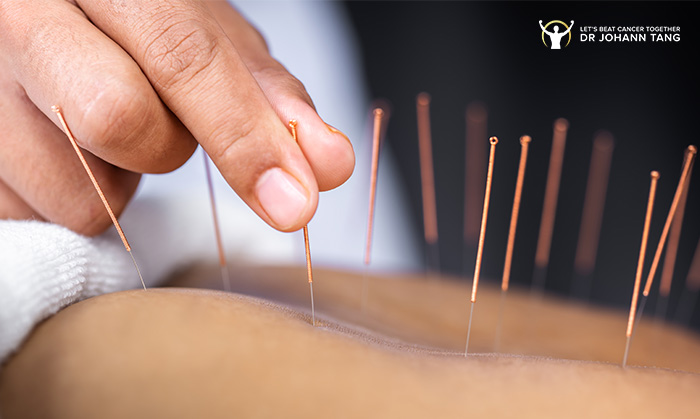
This article explores the relationship between acupuncture and cancer care, focusing on how acupuncture may support individuals experiencing discomfort during treatment. Join us as we explore common causes of cancer-related pain, how acupuncture may influence pain management, and what to consider before starting. Keep reading to learn how to discuss acupuncture safely with your oncology team.
-

Managing cancer treatment expenses can feel overwhelming, but understanding your financial options can make a meaningful difference. In this article, we explain how Medisave, insurance plans, and government schemes help support individuals navigating the cost of cancer care in Singapore. By breaking down key funding avenues and support programmes, we offer clarity and guidance for patients and families planning ahead.


Dr Johann Tang
Senior Consultant Radiation Oncologist
Medical Director of ME Novena Specialist Group Pte Ltd
MBBS (Aust), FRANZCR (Radiation Oncology)
Dr Johann Tang is the Senior Consultant and Medical Director of ME Novena Specialist Group Pte Ltd. at Mount Elizabeth Novena Hospital and an Assistant Professor at the Yong Loo Lin School of Medicine, National University Singapore.
Why Choose Dr Johann Tang for Cancer Treatment in Singapore
Dr. Johann Tang is a radiation oncologist and cancer doctor in Singapore providing radiation therapy and cancer treatment for different types of cancers. Treatment plans are developed based on the patient’s diagnosis, cancer type, and medical condition. Radiation therapy techniques and treatment options are discussed during consultation, together with follow-up care and treatment planning for patients undergoing cancer treatment in Singapore.
"I guarantee my very best expertise delivered with compassion and dignity as we journey TOGETHER to BEAT this dreaded illness."
Make An Enquiry
Got Queries? Book an appointment with Dr Johann Tang by filling up this form. We'll get on a call with you as soon as possible.
Prefer to talk? Call us directly at +65 6690 6811
or email us at drjohanntang@gmail.com
