
Breast Cancer: Separating Fact From Fiction
Medically reviewed by Dr Johann Tang, Senior Consultant Radiation Oncologist

Breast cancer is one of the most commonly occurring cancers among women in Singapore, accounting for 29.7% of all cancers diagnosed in females. Due to the prevalence of this condition, there are various mistruths surrounding it. Let our breast cancer doctor, Dr Johann Tang, separate fact from fiction by debunking the common myths surrounding the disease, helping you understand what the genuine risk factors are.
Learn More: Diagnosed With Breast Cancer: What To Do Next?
Myth #1: Only Those With A Family History Of Breast Cancer Are Vulnerable
While a family history of breast cancer does increase one’s risk, its absence does not mean you are immune from the disease. In fact, less than 15% of all breast cancer cases are passed on genetically. Therefore, it is recommended to undergo regular mammogram screenings even if nobody in your family has ever been diagnosed with the illness.
Myth #2: Radiation Levels From Mammograms Are Harmful

Mammograms are designed to detect breast cancer, not spread it. While patients are exposed to x-ray radiation during the screening, the effective radiation dose is only about 0.7mSv, which is about the same as what an average person receives from atmospheric radiation in three months.
While mammography remains the best screening tool for breast cancer, please note that it cannot detect all forms of the condition, as specific types of cancer are not readily seen on mammograms.
Moreover, normal breast tissue can hide the cancerous cells, especially if the cancer is small and the patient’s breast tissue is dense. In such circumstances, you may need to undergo an ultrasound or MRI scan for further diagnosis. A breast cancer doctor will assess and advise you accordingly.
Myth #3: Breast Cancer Only Affects Women
While breast cancer is more common in women, the disease can affect both genders since men also have breast tissue. However, breast cancer in men is rare, with only 1% of diagnoses being men. Nevertheless, men should also check themselves periodically by doing a breast self-exam. If you detect a hard lump underneath the nipple and areola, please consult a breast cancer doctor for further examination.
Myth #4: Wearing A Bra Increases The Risk Of Breast Cancer

There is no scientific evidence to demonstrate that wearing a bra of any kind, including an underwire, can cause breast cancer or increase one’s risk.
Myth #5: Getting Breast Implants Increase Your Risk Of Breast Cancer
While breast augmentation can cause scarring on the breast tissue, no evidence suggests the procedure can increase one’s risk of developing breast cancer.
Myth #6: Breast Cancer Is Always A Lump You Can Feel

A normal breast self-examination does not eliminate the possibility of having breast cancer. While a lump is one of the most common symptoms of the disease, not all types of breast cancer produce a lump that you can feel. Furthermore, some lumps may be too small to detect via a self-exam. That is why it is recommended to go for regular mammogram screening, as it remains the most effective way to screen for early breast cancer.
Myth #7: Those With The BRCA Gene Will Get Breast Cancer
Not every person who carries a BRCA-1 or BRCA-2 gene mutation will develop breast or ovarian cancer. However, it does increase one’s risk for these diseases. Those who test positive for either gene mutation have a 45 to 60% chance of getting breast cancer before the age of 70.
Fortunately, various proactive measures are available to reduce one’s risk of developing breast cancer, such as hormone therapy or surgical interventions. If you discover that you possess a BRCA-1 or BRCA-2 gene mutation, please consult a breast cancer doctor to discuss the options that are suitable for you.
Don’t let the misinformation surrounding breast cancer mislead you. Take charge of your health today by performing routine breast self-exams, going for regular mammogram screenings, and reporting anything abnormal to your doctor. Doing so can help with early detection and treatment, thus improving the chances of recovery.
If you suspect that you might have breast cancer or wish to get a second opinion on a diagnosis, do not hesitate to consult Dr Tang. With over two decades of experience in the medical field, our doctor can assess your condition and recommend the most suitable breast cancer treatment to ensure optimal recovery. Contact our clinic to schedule an appointment today.
Related Articles
Read this next ...
-

Receiving a cervical cancer diagnosis can be overwhelming, especially for individuals who hope to have children in the future. Understandably, one of the first concerns for many is how treatment might affect fertility. While the journey ahead can feel uncertain, it’s important to know that options do exist to preserve or plan for future parenthood.
-
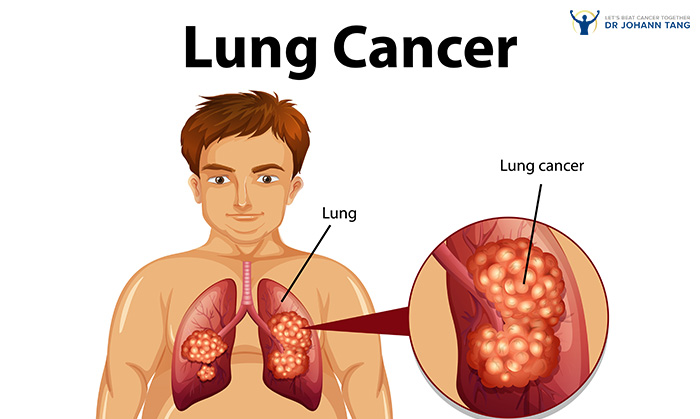
Did you know that lung cancer is the leading cause of cancer deaths in Singapore men at 26.4%?
-
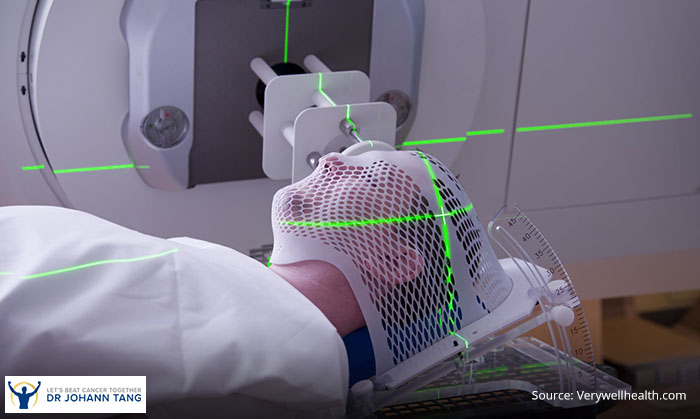
Stereotactic radiosurgery (SRS) and Stereotactic radiotherapy (SBRT) are highly effective in treating specific types of tumours. Learn more about stereotactic-based treatment as well as the differences between these two radiation treatment methods.
-

Prostate cancer is one of the most common cancers in men. Learn about the risks of this disease, including factors like age, family medical history, and diet.

Dr Johann Tang
Senior Consultant Radiation Oncologist
Medical Director of ME Novena Specialist Group Pte Ltd
MBBS (Aust), FRANZCR (Radiation Oncology)
Dr Johann Tang is the Senior Consultant and Medical Director of ME Novena Specialist Group Pte Ltd. at Mount Elizabeth Novena Hospital and an Assistant Professor at the Yong Loo Lin School of Medicine, National University Singapore.
Why Choose Dr Johann Tang for Cancer Treatment in Singapore
Dr. Johann Tang is a radiation oncologist and cancer doctor in Singapore providing radiation therapy and cancer treatment for different types of cancers. Treatment plans are developed based on the patient’s diagnosis, cancer type, and medical condition. Radiation therapy techniques and treatment options are discussed during consultation, together with follow-up care and treatment planning for patients undergoing cancer treatment in Singapore.
"I guarantee my very best expertise delivered with compassion and dignity as we journey TOGETHER to BEAT this dreaded illness."
Make An Enquiry
Got Queries? Book an appointment with Dr Johann Tang by filling up this form. We'll get on a call with you as soon as possible.
Prefer to talk? Call us directly at +65 6690 6811
or email us at drjohanntang@gmail.com
