
What Happens When Cancer Returns?
Medically reviewed by Dr Johann Tang, Senior Consultant Radiation Oncologist

Hearing that cancer has returned can bring about a mix of emotions, from fear and confusion to uncertainty and sadness. However, understanding the facts surrounding cancer recurrence can provide clarity and help you manage the situation with the right approach. While this news can be unsettling, there are strategies in place for handling it, and understanding what happens next is key to making informed decisions about care and treatment.
1. Understanding Cancer Recurrence
Cancer recurrence refers to the return of cancer after a period where the disease was undetectable. Even after aggressive treatments, some cancer cells can remain in the body, hiding in areas too small to be detected. Over time, these cells can multiply and lead to the return of the disease.
Recurrence can happen in different ways including:
-
Local recurrence:
The cancer returns in the same spot as the original tumour. This may occur if some cancerous cells were left behind after the initial treatment, such as surgery or radiation.
-
Regional recurrence:
The cancer may spread to nearby lymph nodes or tissues. For example, a breast cancer recurrence might affect nearby lymph nodes after the primary tumour was treated.
-
Distant recurrence (metastatic cancer):
In some cases, cancer can spread to distant parts of the body, such as the lungs, liver, or bones. This form of recurrence is often referred to as metastasis.
2. Signs and Symptoms to Watch For
One of the most important aspects of managing cancer recurrence is staying aware of the signs that may indicate it has returned. Early detection of recurrence often improves treatment options and outcomes.
Regular follow ups with imaging scans such as PET scans or MRI scans help to detect cancer recurrence early. In addition, for certain cancers, blood tumor markers also help to pock up early recurrences.
Other signs suggestive of recurrence include:
- New lumps or swelling in the area where cancer was originally found, or in nearby regions.
- Pain or discomfort in the same area where the tumour was previously located.
- Changes in breathing, appetite, or digestion can also signal a recurrence, depending on where the cancer has returned.
While these symptoms can be uncomfortable, it’s important to understand that they are not always signs of cancer recurrence. Discuss any changes in your health with your healthcare provider, who can conduct tests to determine the cause. Regular follow-ups and screenings, even after successful treatment can make all the difference in early detection of any potential recurrence.
3. How Cancer Recurrence is Diagnosed
When cancer recurrence is suspected, your doctor will carry out several tests to confirm whether the cancer has returned. These diagnostic tools include:
-
Imaging Tests:
These are often the first step in locating recurrence. CT scans, MRIs, or PET scans allow doctors to see inside your body and identify any abnormal growths or areas of concern.
-
Blood Tests:
Some cancers have specific markers that can be detected in the blood. Elevated levels of these markers can suggest the presence of cancer, prompting further investigation.
-
Biopsy:
If a suspicious area is identified, a small tissue sample may be taken and examined under a microscope. A biopsy can confirm whether cancerous cells are present.
Once diagnosed, your cancer doctor will assess the recurrence’s location and severity, helping determine the best course of treatment. Having an open conversation with your medical team about your concerns and treatment options can provide clarity and guide your decisions moving forward.
4. Treatment Options for Recurrent Cancer
Treatment for cancer recurrence depends on several factors, such as the type of cancer, its location, and how much time has passed since the initial diagnosis. Your cancer specialist may recommend one or more of the following treatment options:
-
Surgery:
If the recurrence is early and remains local and accessible, surgery may be an option to remove the tumour. This might be done if it’s safe to do so, based on the size and location of the tumour.
-
Radiation Therapy:
Radiation therapy is often used to target specific areas where the cancer has returned. It’s typically recommended when the recurrence is confined to a particular location.
-
Chemotherapy:
If cancer has spread beyond its original site, chemotherapy may be used to treat cancer cells throughout the body.
-
Targeted Therapy and Immunotherapy:
These newer cancer treatments are designed to specifically target cancer cells, sparing healthy cells, and may be recommended if traditional treatments are not effective. They may also help the body’s immune system better identify and attack cancer cells.
Each treatment plan is tailored to an individual’s needs, with the aim of controlling the cancer while maintaining as much quality of life as possible. Your oncologist will work with you to determine which treatment is best suited for your circumstances.
5. Coping with Emotional and Physical Challenges
When you are dealing with cancer recurrence, it’s normal to experience a range of emotions, from fear and frustration to anger and sadness. But, coping with these feelings is just as important as managing the physical aspects of recurrence. Here are some ways you can take control of your emotional well-being.
-
Support from Family and Friends:
Leaning on loved ones can provide much-needed comfort. They can help you navigate the challenges of recurrence, whether that’s accompanying you to appointments or simply offering a listening ear.
-
Joining a Support Group:
Connecting with others who have experienced similar challenges can provide a sense of solidarity. Sharing experiences and advice with people who understand your journey can be invaluable.
-
Speaking with a Therapist or Counselor:
A professional can help you work through difficult emotions and develop coping strategies to manage stress, anxiety, and fear.
6. Adjusting to Long-Term Care and Lifestyle Changes
Throughout treatment for cancer recurrence, it’s important to focus on maintaining your overall health. Simple lifestyle changes that you can adopt to support both your physical and emotional well-being include:
-
Diet and Nutrition:
Eating a balanced diet rich in vitamins and nutrients can help support your immune system, improve energy levels, and aid recovery.
-
Physical Activity:
Engage in light physical activity, such as walking or yoga, to maintain mobility and reduce fatigue.
-
Stress Reduction:
Mindfulness techniques like meditation, deep breathing, or even gentle exercises like tai chi can help reduce stress and improve your mental state.
For individuals with advanced cancer, palliative care options are available to focus on comfort and symptom relief. This care aims to improve quality of life and help manage cancer symptoms.
While cancer recurrence can be a difficult experience, it is important to stay informed, seek support, and work closely with your healthcare team to determine the best options for treatment and care. Each person’s journey with recurrence is unique, and understanding your options can empower you to make the choices that best suit your needs.
If you notice any changes in your health, Dr. Johann Tang is here to help. With extensive experience and a compassionate approach, Dr. Tang offers personalised care to ensure you are fully supported through your journey. Contact us today to schedule a consultation and take the next step towards managing your health with confidence.
Related Articles
Read this next ...
-
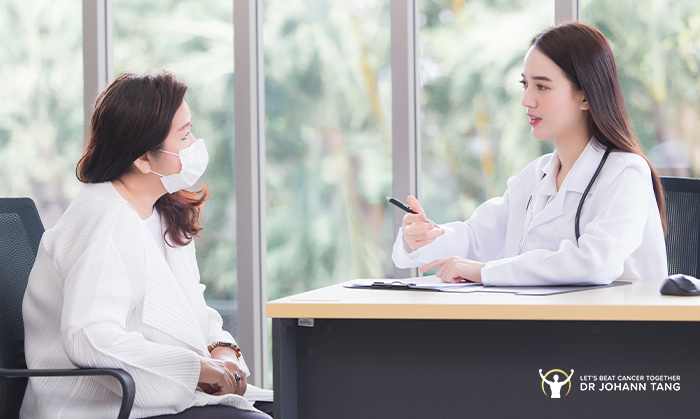
Cervical cancer is highly preventable. Screening tests like pap smears and HPV tests are safe, effective and provide robust protection against cervical cancer.
-

Cancer treatments such as chemotherapy, radiation, or surgery can leave the body feeling drained, with side effects like nausea, fatigue, and appetite loss making the journey even more challenging. At times like these, nutrition becomes a vital ally. The right cancer diet can help manage these side effects, bolster the immune system, and provide the strength and energy the body needs to recover and heal.
-

In Singapore, breast cancer is the most common female cancer. However, survival rates have increased across all ethnicities due to early detection and treatment.
-
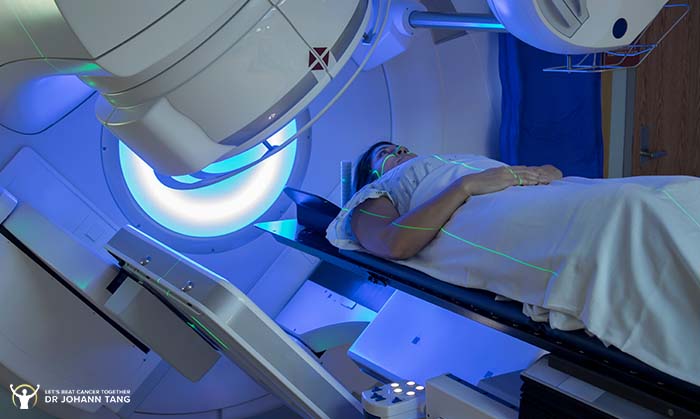
Preparing yourself for a radiation therapy session in Singapore can be a worrying and overwhelming experience

Dr Johann Tang
Senior Consultant Radiation Oncologist
Medical Director of ME Novena Specialist Group Pte Ltd
MBBS (Aust), FRANZCR (Radiation Oncology)
Dr Johann Tang is the Senior Consultant and Medical Director of ME Novena Specialist Group Pte Ltd. at Mount Elizabeth Novena Hospital and an Assistant Professor at the Yong Loo Lin School of Medicine, National University Singapore.
Why Choose Dr Johann Tang for Cancer Treatment in Singapore
Dr. Johann Tang is a radiation oncologist and cancer doctor in Singapore providing radiation therapy and cancer treatment for different types of cancers. Treatment plans are developed based on the patient’s diagnosis, cancer type, and medical condition. Radiation therapy techniques and treatment options are discussed during consultation, together with follow-up care and treatment planning for patients undergoing cancer treatment in Singapore.
"I guarantee my very best expertise delivered with compassion and dignity as we journey TOGETHER to BEAT this dreaded illness."
Make An Enquiry
Got Queries? Book an appointment with Dr Johann Tang by filling up this form. We'll get on a call with you as soon as possible.
Prefer to talk? Call us directly at +65 6690 6811
or email us at drjohanntang@gmail.com
