
Cervical Cancer vs. Ovarian Cancer: What’s the Difference?
Medically reviewed by Dr Johann Tang, Senior Consultant Radiation Oncologist
Key Takeaways
- Cervical cancer and ovarian cancer are both female reproductive cancers, but they begin in different organs and behave differently.
- Cervical cancer often presents earlier, noticeable symptoms and can be detected through routine screening.
- Ovarian cancer has fewer early warning signs and is usually diagnosed at a later stage.
- Understanding the distinctions in causes, symptoms, detection, and treatment can support timely medical review and informed decision-making.
Cervical Cancer vs Ovarian Cancer
Understanding the Differences Every Woman Should Know
Cervical cancer and ovarian cancer are two of the more commonly discussed cancers affecting women. While both involve the female reproductive system, they are very different conditions with different symptoms, causes, and treatment approaches.
Because the warning signs can sometimes be subtle or easy to dismiss, understanding the differences may help women know when to seek medical advice and what to expect during diagnosis and treatment.
What Is the Difference Between Cervical Cancer and Ovarian Cancer?
The main difference between these gynaecological cancer lies in where it begins.
Cervical Cancer
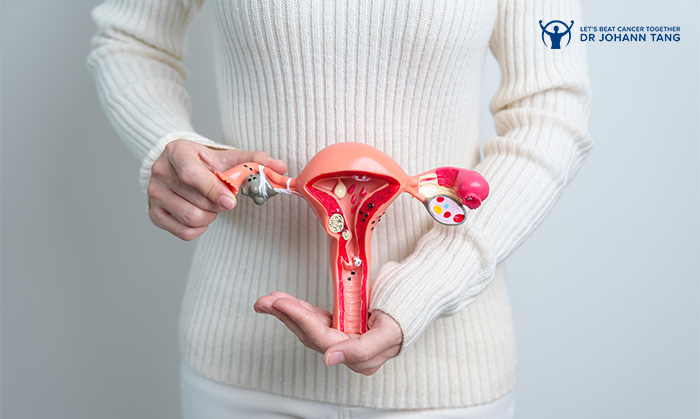
Cervical cancer starts in the cervix, which is the lower part of the uterus connecting to the vagina.
In Singapore, it is one of the more common cancers affecting younger women, particularly those between 15 to 44 years old.
Ovarian Cancer
Ovarian cancer begins in the ovaries, which produce eggs and female hormones.
It is among the more common cancers in women in Singapore and is often diagnosed later because symptoms can be vague in the early stages.
What Causes These Cancers?
Cervical Cancer and HPV
Most cervical cancers are linked to a long-term infection with certain types of Human Papillomavirus (HPV).
HPV is very common and often causes no symptoms. In many people, the infection clears naturally. However, in some cases, persistent HPV infection can lead to abnormal changes in cervical cells over time.
Risk factors may include:
- Persistent HPV infection
- Smoking
- Weakened immune system
- Irregular cervical screening
Ovarian Cancer Risk Factors
Unlike cervical cancer, ovarian cancer is not linked to HPV.
Factors that may increase the risk include:
- Increasing age
- Family history of ovarian or breast cancer
- Inherited gene mutations such as BRCA1 or BRCA2
- Certain reproductive or hormonal factors
Having one or more risk factors does not mean someone will definitely develop ovarian cancer, but it may be helpful to discuss concerns with a doctor.
Symptoms to Watch Out For
One of the biggest challenges with both cancers is that symptoms may not appear early on.
Common Symptoms of Cervical Cancer
Symptoms may include:
- Unusual vaginal bleeding
- Bleeding after intercourse
- Pelvic pain
- Pain during sex
- Unusual vaginal discharge
Some women may not notice symptoms until the condition becomes more advanced.
Common Symptoms of Ovarian Cancer
Ovarian cancer symptoms are often mistaken for digestive or everyday issues.
Symptoms can include:
- Persistent bloating
- Pelvic or abdominal pain
- Feeling full quickly when eating
- Frequent urination
- Changes in bowel habits
If these symptoms continue for several weeks or feel unusual for your body, it is important to seek medical advice.
How Are They Detected?
Cervical Cancer Screening
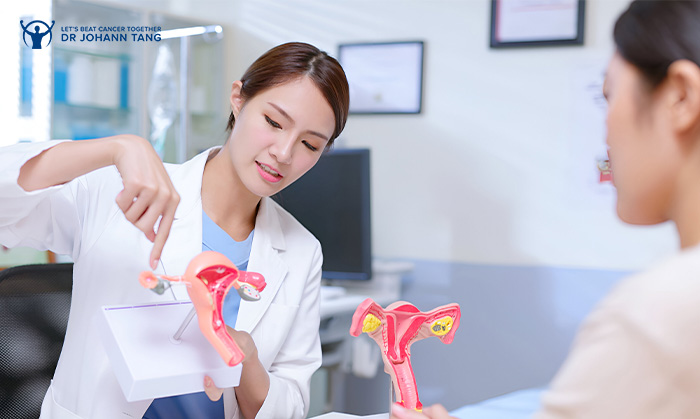
Cervical cancer can often be detected early through regular screening tests such as:
- Pap smear tests
- HPV tests
These tests can identify abnormal cervical cell changes before cancer develops, which is why regular screening is so important.
Ovarian Cancer Detection
At present, there is no reliable routine screening test for ovarian cancer for the general population.
Doctors may investigate symptoms using:
- Pelvic ultrasound
- CT or MRI scans
- Blood tests such as CA-125
Because ovarian cancer can develop quietly, paying attention to ongoing symptoms is especially important.
How Are These Cancers Treated?
Treatment depends on the type of cancer, how far it has spread, and each patient’s overall health and goals.
Cervical Cancer Treatment
Cervical cancer treatment may include:
- Radiation therapy
- Chemotherapy
- Brachytherapy
- Surgery in selected cases
Some women with very early-stage cervical cancer may still be able to preserve fertility depending on the treatment needed.
Ovarian Cancer Treatment
Treatment for ovarian cancer often begins with surgery to remove as much cancer as possible. Chemotherapy is commonly used afterwards to treat any remaining cancer cells. Because treatment may involve removing one or both ovaries, fertility may be affected.
When Should You See a Doctor?
You should consider seeking medical attention if you experience:
- Persistent bloating
- Unexplained vaginal bleeding
- Ongoing pelvic or abdominal pain
- Changes in bowel habits
- Symptoms that do not improve over time
Even when symptoms seem mild, it is always better to have persistent concerns checked early.
A Patient-Centred Approach to Cancer Care
Receiving a possible cancer diagnosis can feel overwhelming. Understanding the differences between cervical and ovarian cancer may help women feel more informed and prepared when discussing symptoms, screening, or treatment options with their doctor.
Dr Johann Tang, a cancer specialist in Singapore, and his team provide personalised cancer care in Singapore, including radiation therapy for various cancers. Every treatment plan is tailored to the patient’s individual condition, needs, and concerns.
If you would like to discuss symptoms, screening options, or cancer treatment, contact Dr Johann Tang’s clinic to arrange a consultation.
Related Articles
Read this next ...
-

Are you or someone close to you facing a cancer diagnosis? While there isn’t a definitive cure for cancer, advancements in medicine offer various treatments to stop its growth, prevent metastasis, and, in many cases, eliminate it entirely. The key to effective treatment lies in understanding the stages of cancer and tailoring therapies accordingly. Let’s explore the different stages of cancer and the treatment options available at each phase.
-

Are you or a loved one diagnosed with prostate cancer? Upon receiving the news, you may wish to learn more about the disease and the treatment options available. This guide will share more details about the common prostate cancer treatments available to patients with prostate cancer and how they can cope with the possible side effects and complications from the treatment.
-

Breast cancer is one of the most prevalent cancers globally, impacting approximately 1 in 8 women over their lifetime. Each year, millions of new cases are diagnosed worldwide. Yet, beyond the commonly known facts, there’s a wealth of interesting facts about breast cancer that often go unnoticed. Did you know, for instance, that men can develop breast cancer too? Or that lifestyle choices can significantly alter one’s risk? Let’s uncover some of the lesser-known insights about this disease that could change how you perceive it.


Dr Johann Tang
Senior Consultant Radiation Oncologist
Medical Director of ME Novena Specialist Group Pte Ltd
MBBS (Aust), FRANZCR (Radiation Oncology)
Dr Johann Tang is the Senior Consultant and Medical Director of ME Novena Specialist Group Pte Ltd. at Mount Elizabeth Novena Hospital and an Assistant Professor at the Yong Loo Lin School of Medicine, National University Singapore.
Why Choose Dr Johann Tang for Cancer Treatment in Singapore
Dr. Johann Tang is a radiation oncologist and cancer doctor in Singapore providing radiation therapy and cancer treatment for different types of cancers. Treatment plans are developed based on the patient’s diagnosis, cancer type, and medical condition. Radiation therapy techniques and treatment options are discussed during consultation, together with follow-up care and treatment planning for patients undergoing cancer treatment in Singapore.
"I guarantee my very best expertise delivered with compassion and dignity as we journey TOGETHER to BEAT this dreaded illness."
Make An Enquiry
Got Queries? Book an appointment with Dr Johann Tang by filling up this form. We'll get on a call with you as soon as possible.
Prefer to talk? Call us directly at +65 6690 6811
or email us at drjohanntang@gmail.com
