
Can Nose Cancer Cause Death if Left Untreated?
Medically reviewed by Dr Johann Tang, Senior Consultant Radiation Oncologist

Key Takeaways
- Nose cancer, including nasopharyngeal and sinonasal types, can be difficult to detect early due to mild or non-specific symptoms.
- As the disease progresses, it may invade structures such as the eyes, nerves, and skull base.
- Without nose cancer treatment, complications such as breathing difficulty, vision changes, infections, or neurological problems may occur.
- Whether nose cancer can cause death often depends on how early it is detected and how promptly it is managed.
Can Nose Cancer Be Fatal? Understanding the Risks, Symptoms, and Treatment Options
Receiving a diagnosis of nose cancer can feel overwhelming, and one of the first questions many patients ask is whether the condition can become life-threatening. In fact, it is the ninth most common cancer in Singaporean men.
While nose cancer can be serious, early diagnosis and timely treatment can significantly improve outcomes.
Understanding how nose cancer develops, the symptoms to watch for, the available treatment options, and whether nose cancer can cause death can help patients make informed decisions about their care.
What Is Nose Cancer?
Nose cancer refers to cancers that develop within the nasal cavity, paranasal sinuses, or the nasopharynx — the area located behind the nose and above the throat.
Common types include:
Nasopharyngeal Cancer (NPC)
Nasopharyngeal cancer develops in the upper throat behind the nose. Because of its location, symptoms often affect the ears and throat rather than the nose itself. Patients may experience:
- Blocked ears
- Hearing changes
- Ringing in the ears
- Neck lumps
Nasopharyngeal cancer is relatively more common in Singapore and remains one of the more frequently diagnosed head and neck cancers among men.
Sinonasal Cancers
Sinonasal cancers originate in the nasal cavity or paranasal sinuses. These cancers typically cause symptoms involving the nose and surrounding facial structures, such as:
- Persistent nasal blockage
- Nosebleeds
- Facial pressure or pain
- Reduced sense of smell
Rare Nasal Cancer Subtypes
Less common forms of nose cancer include:
- Squamous cell carcinoma
- Adenocarcinoma
- Lymphoma involving the nasal region
How Does Nose Cancer Progress?
Nose cancer may develop gradually, with symptoms becoming more noticeable as the disease advances.
1. Early-Stage Disease
At this stage, the tumour remains confined to the nasal cavity or nasopharynx. Symptoms may be mild and are often mistaken for sinus or allergy-related conditions.
Common symptoms include:
- One-sided nasal blockage
- Mild nosebleeds
- Ear fullness
- Persistent congestion
2. Regional Spread
As the tumour enlarges, it may spread into nearby tissues or lymph nodes in the neck.
Patients may develop:
- Facial discomfort or pressure
- Neck lumps
- Worsening nasal symptoms
- Persistent ear-related symptoms
3. Advanced Local Disease
In more advanced stages, the cancer may extend toward nearby critical structures such as:
- The eyes
- Cranial nerves
- The skull base
This can lead to more significant symptoms, including:
- Double vision
- Facial numbness
- Severe headaches
- Difficulty swallowing
4. Distant Metastasis
In later stages, cancer cells may spread to distant organs such as the:
- Lungs
- Bones
- Liver
Symptoms may then include:
- Persistent fatigue
- Bone pain
- Breathlessness
- Unexplained weight loss
Can Nose Cancer Cause Death?
Yes, nose cancer can become life-threatening and cause death if left untreated or diagnosed at an advanced stage. Because the nasal cavity and nasopharynx are located close to important nerves, blood vessels, and organs, tumour growth can affect critical structures within the head and neck.
Once the disease spreads beyond its original location, treatment becomes more complex and the impact on overall health may increase.
However, many cases can be managed effectively with early detection and appropriate treatment. Seeking medical evaluation for persistent or unusual symptoms is important, especially when symptoms do not improve over time.
When Should You See a Specialist?
Some symptoms of nose cancer can resemble common sinus or nasal conditions. However, persistent or unexplained symptoms should not be ignored.
You should consider seeing a cancer specialist if you experience:
- Persistent nasal blockage, especially on one side
- Frequent nosebleeds
- Facial pain or numbness
- Blurred or double vision
- Hearing loss or blocked ears
- Ringing in the ears
- Neck lumps
- Persistent headaches or facial pressure
Early assessment can help determine whether these symptoms are related to cancer or another underlying condition.
Treatment Options for Nose Cancer

Treatment depends on several factors, including:
- The tumour’s location
- Stage of disease
- Extent of spread
- Overall patient health
A personalised treatment plan may include one or more of the following approaches.
Radiation Therapy
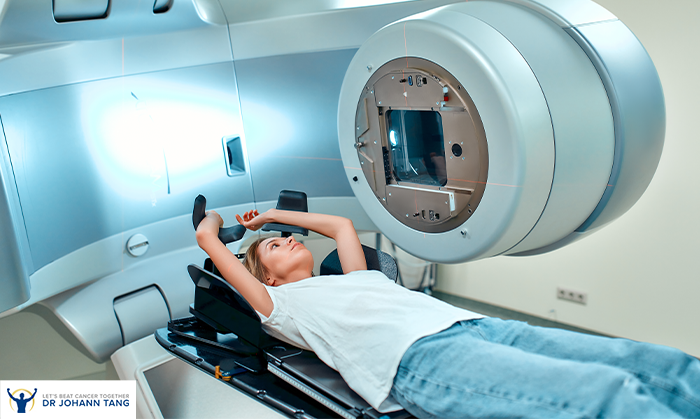
Radiation therapy is one of the main treatments for nose cancer. It uses targeted radiation to destroy cancer cells while minimising damage to nearby healthy tissues.
This approach is commonly recommended for tumours located near delicate structures where surgery may be difficult.
Chemoradiation
Chemotherapy may be combined with radiation therapy to improve treatment effectiveness. This is often recommended for cancers that have spread to nearby tissues or lymph nodes.
Chemotherapy can help sensitise cancer cells to radiation, improving disease control.
Proton Therapy
Proton therapy is an advanced form of radiation treatment that delivers radiation more precisely to the tumour.
Compared to traditional radiation, proton therapy may reduce radiation exposure to surrounding structures such as the:
- Brainstem
- Optic nerves
- Salivary glands
This may help reduce certain side effects while maintaining treatment effectiveness.
Speak With a Nose Cancer Specialist About Treatment Options
A diagnosis of nose cancer can raise many questions about treatment, recovery, and long-term outcomes. If you are experiencing persistent symptoms or have concerns about possible nose cancer, seeking early medical advice is an important first step.
Dr Johann Tang provides patient-centred care in radiation oncology, helping patients understand their condition and explore appropriate treatment options tailored to their needs.
Schedule a consultation today to discuss your symptoms and next steps in care.
Related Articles
Read this next ...
-

Cervical cancer is primarily caused by persistent infection with high-risk strains of human papillomavirus (HPV), a common sexually transmitted infection. While this cancer is one of the most preventable cancers, it remains a significant health concern worldwide. According to the World Health Organisation, cervical cancer affects more than 300,000 women globally each year. In Singapore, this cancer is the 10th most common cancer among women, highlighting the importance of early detection and prevention.
-
External Beam Radiation Therapy (EBRT) is a cancer treatment modality that utilises external radiation to kill cancer cells.
-

While conventional cancer treatments like chemotherapy, radiation, and surgery are the foundation of cancer care, many patients seek additional options to support their recovery and well-being. Complementary and alternative therapies have become increasingly popular for managing treatment side effects, strengthening the immune system, reducing stress, and improving overall quality of life. These therapies are often used alongside standard treatments, offering cancer patients a holistic approach to managing their health.
-

Lung cancer remains a significant health concern globally, and Singapore is no exception. According to the Singapore Cancer Society, this particular cancer is the leading cause of death for men and the third leading cause of death for women here. While advancements in medical science have improved cancer treatment options tremendously, understanding the causes of lung cancer can greatly help in prevention and early detection. Let’s explore the key risk factors and contributors to this disease.

Dr Johann Tang
Senior Consultant Radiation Oncologist
Medical Director of ME Novena Specialist Group Pte Ltd
MBBS (Aust), FRANZCR (Radiation Oncology)
Dr Johann Tang is the Senior Consultant and Medical Director of ME Novena Specialist Group Pte Ltd. at Mount Elizabeth Novena Hospital and an Assistant Professor at the Yong Loo Lin School of Medicine, National University Singapore.
Why Choose Dr Johann Tang for Cancer Treatment in Singapore
Dr. Johann Tang is a radiation oncologist and cancer doctor in Singapore providing radiation therapy and cancer treatment for different types of cancers. Treatment plans are developed based on the patient’s diagnosis, cancer type, and medical condition. Radiation therapy techniques and treatment options are discussed during consultation, together with follow-up care and treatment planning for patients undergoing cancer treatment in Singapore.
"I guarantee my very best expertise delivered with compassion and dignity as we journey TOGETHER to BEAT this dreaded illness."
Make An Enquiry
Got Queries? Book an appointment with Dr Johann Tang by filling up this form. We'll get on a call with you as soon as possible.
Prefer to talk? Call us directly at +65 6690 6811
or email us at drjohanntang@gmail.com
