
Can Acupuncture Help Ease Pain and Discomfort During Cancer Treatment?
Medically reviewed by Dr Johann Tang, Senior Consultant Radiation Oncologist
Key Takeaways
- Acupuncture is sometimes explored as a complementary option to help manage discomfort during cancer treatment.
- It may support the body’s natural responses to pain through neurochemical modulation, circulation, and inflammatory pathways.
- Acupuncture should be used alongside, not in place of, medical treatment.
- Individuals considering acupuncture and cancer care should consult their oncology team before starting.
Introduction
Cancer treatment can often lead to physical discomfort, with pain arising from both the disease itself and therapies such as chemotherapy, surgery, and radiotherapy. As interest in supportive care continues to grow, many individuals are exploring the role of acupuncture in cancer care as a complementary approach to managing pain and discomfort.
In this article, we take a closer look at the link between acupuncture and cancer, including how acupuncture may help ease treatment-related discomfort and be integrated into a broader cancer care plan.
Common Causes of Pain During Cancer Treatment
1. Tumour Pressure on Nerves, Bones, or Organs
As a tumour grows, it may place pressure on surrounding nerves, bones, or organs, leading to persistent or localised pain. The severity and type of discomfort often depend on the tumour’s size and location. In some cases, inflammation in nearby tissues can further intensify the pain.
2. Treatment-Induced Nerve Damage
Certain chemotherapy medications can affect nerve fibres, causing symptoms such as tingling, burning sensations, numbness, or weakness in the hands and feet. This condition, known as chemotherapy-induced peripheral neuropathy (CIPN), can interfere with daily activities and may continue even after treatment has ended.
3. Radiation-Related Tissue Sensitivity or Fibrosis
Radiation therapy may cause short-term tissue irritation, resulting in redness, tenderness, or warmth in the treated area. Over time, some individuals may also develop fibrosis, where scar tissue causes the affected area to become firmer or less flexible. These changes can contribute to stiffness, restricted movement, and ongoing discomfort, depending on the location and intensity of treatment.
How Acupuncture May Help Ease Discomfort During Cancer Treatment
Managing pain during cancer treatment can be challenging, leading some patients to explore complementary therapies such as acupuncture for additional support. Current evidence suggests several ways acupuncture may help alleviate discomfort.
1. Encourages the Release of Natural Pain-Relieving Chemicals
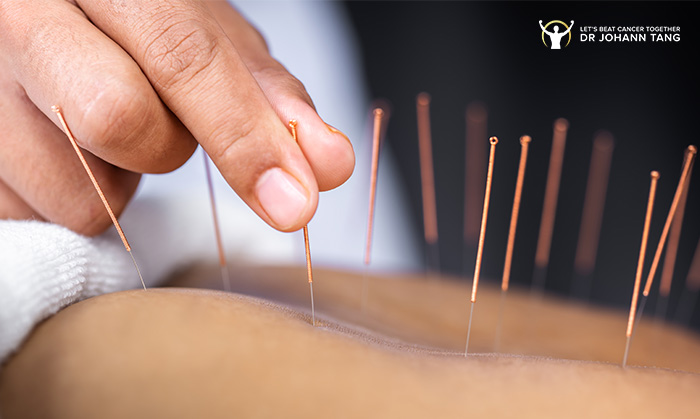
Acupuncture involves the insertion of fine needles into specific points on the body to stimulate the nervous system. This stimulation may encourage the release of endorphins and other neurochemicals involved in pain regulation, potentially helping to reduce discomfort and promote relaxation.
2. May Help Reduce Inflammation and Improve Circulation
In addition to pain management, acupuncture has been studied for its potential role in reducing inflammation by influencing the body’s immune and hormonal responses. The gentle stimulation provided during treatment may also improve blood circulation in targeted areas, helping to ease tension, stiffness, and localised sensitivity.
Over time, some individuals may experience improved comfort and mobility as part of a supportive care approach during cancer treatment.
What to Consider Before Combining Acupuncture and Cancer Therapies
Exploring acupuncture as part of your cancer care should always be done carefully and in consultation with your oncology team, particularly during active treatment.
1. Seek an Acupuncturist Experienced in Cancer Care
An acupuncturist familiar with cancer-related conditions can tailor treatments according to factors such as fatigue, neuropathy, low blood counts, or skin sensitivity. This helps ensure that acupuncture remains both appropriate and supportive throughout the treatment journey.
2. Consult Your Oncologist Before Starting Acupuncture
Before beginning acupuncture or any complementary therapy, it is important to speak with your oncologist or cancer care team. They can advise whether acupuncture is suitable for your current stage of treatment, as well as any precautions or areas that should be avoided during sessions.
3. Be Mindful of Skin Sensitivity and Infection Risks
Extra caution is important when receiving acupuncture during chemotherapy or radiotherapy. Ensure that your practitioner uses sterile, single-use needles and avoids areas that are irritated, inflamed, or prone to infection. If you notice any unusual skin changes or increased discomfort after treatment, inform your medical team promptly.
Bringing Acupuncture and Cancer Care Together Safely
For some patients, acupuncture may provide additional support in managing the physical discomfort associated with cancer treatment. However, it should always be used as a complementary therapy alongside conventional medical care, not as a replacement for it.
If you would like guidance on how complementary therapies such as acupuncture and cancer care may fit into your overall treatment plan, consider speaking with Dr Johann Tang. With training in radiation oncology and experience treating a wide range of cancers, he can help you better understand how supportive therapies may align with your individual care needs.
Related Articles
Read this next ...
-

Barriers and solutions to implementation of a successful programme – a single institutional experience.
-

Studies have shown that men have a higher risk of developing cancer than women. They are also more likely to develop diabetes. In this article, we will explore the potential links between the two diseases, their shared risk factors, and what readers can do to reduce their risk of developing diabetes and cancer while staying healthy.
-

Breast cancer occurs when breast cells begin to grow abnormally. These cells divide more rapidly than healthy cells and continue to accumulate, forming a lump or a mass.
-
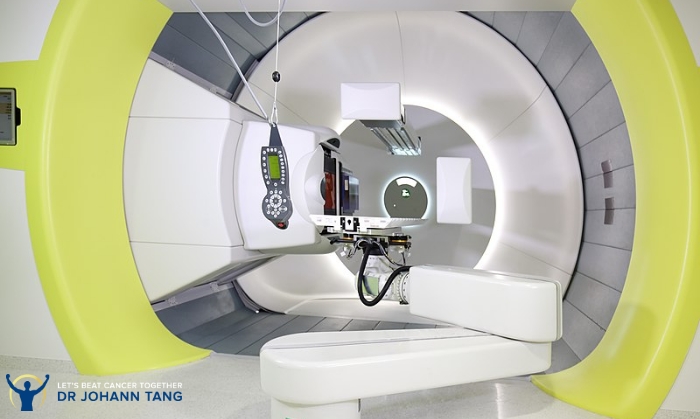
Proton Therapy is a treatment modality for cancer. It is an alternative to traditional radiotherapy and is just as effective while also reducing side effects.

Dr Johann Tang
Senior Consultant Radiation Oncologist
Medical Director of ME Novena Specialist Group Pte Ltd
MBBS (Aust), FRANZCR (Radiation Oncology)
Dr Johann Tang is the Senior Consultant and Medical Director of ME Novena Specialist Group Pte Ltd. at Mount Elizabeth Novena Hospital and an Assistant Professor at the Yong Loo Lin School of Medicine, National University Singapore.
Why Choose Dr Johann Tang for Cancer Treatment in Singapore
Dr. Johann Tang is a radiation oncologist and cancer doctor in Singapore providing radiation therapy and cancer treatment for different types of cancers. Treatment plans are developed based on the patient’s diagnosis, cancer type, and medical condition. Radiation therapy techniques and treatment options are discussed during consultation, together with follow-up care and treatment planning for patients undergoing cancer treatment in Singapore.
"I guarantee my very best expertise delivered with compassion and dignity as we journey TOGETHER to BEAT this dreaded illness."
Make An Enquiry
Got Queries? Book an appointment with Dr Johann Tang by filling up this form. We'll get on a call with you as soon as possible.
Prefer to talk? Call us directly at +65 6690 6811
or email us at drjohanntang@gmail.com
