
Common Cancers in Women and How to Spot the Early Signs
Medically reviewed by Dr Johann Tang, Senior Consultant Radiation Oncologist
Key Takeaways
- Breast, colorectal, lung, uterine, and cervical cancers remain among the most common cancers in Singaporean women today.
- Screening tools such as mammograms, colonoscopies, Pap smears, and HPV tests help support early detection.
- Timely evaluation allows individuals and healthcare providers to discuss appropriate next steps, including diagnostic tests, monitoring, or treatment considerations.
5 Common Cancers Affecting Women in Singapore
Cancer is a growing health concern in Singapore, with approximately 1 in 4 Singaporeans expected to develop cancer during their lifetime. For many women, understanding the most common types of cancer — and recognising the early warning signs — can make a meaningful difference in seeking timely medical care.
Certain cancers affecting women are closely linked to hormonal changes, reproductive health, genetics, and age-related factors. By staying informed and keeping up with recommended screenings, women can take a more proactive role in protecting their health.
Here are five of the most common cancers affecting women in Singapore, along with their symptoms, risk factors, and recommended screening practices.
1. Breast Cancer
Breast cancer is the most commonly diagnosed cancer among women in Singapore, accounting for nearly 30% of all female
cancer cases. It develops when abnormal cells in the breast grow uncontrollably, forming a tumour in the milk ducts, lobules, or surrounding breast tissue.
While a breast lump is often the most recognised symptom, there are several other signs women should be aware of, including:
- Changes in breast size or shape
- Persistent breast pain or discomfort
- Skin dimpling or thickening
- Nipple discharge
- Swelling under the arm
- Changes in the appearance of the nipple
If these symptoms persist for more than two to three weeks, it is advisable to seek medical attention. Regular breast self-examinations can also help women become familiar with what is normal for their bodies.
Women aged 50 and above are generally encouraged to undergo mammogram screening every one to two years. Early detection allows doctors to identify abnormalities sooner and discuss appropriate treatment options where necessary.
2. Colorectal Cancer
Colorectal cancer is the second most common cancer among women in Singapore. It typically develops slowly over time from precancerous growths known as polyps, which means symptoms may not appear until the disease has progressed.
Common warning signs include:
- Persistent changes in bowel habits
- Blood in the stool
- Ongoing abdominal pain or bloating
- Unexplained fatigue
- Sudden weight loss
Because these symptoms can often be mistaken for less serious digestive issues, it is important to monitor how frequently they occur and whether they persist over time.
Women aged 45 and above, especially those with a family history of colorectal cancer, should consider regular screening such as colonoscopies every 10 years, or earlier if recommended by a doctor.
3. Lung Cancer
Although lung cancer is commonly associated with smoking, it can also affect non-smokers. Risk factors may include prolonged exposure to secondhand smoke, environmental pollution, workplace toxins, and certain genetic mutations.
Potential symptoms of lung cancer include:
- A persistent cough lasting more than three weeks
- Shortness of breath
- Recurrent chest infections
- Chest discomfort
- Unexplained fatigue or weight loss
Some individuals may notice symptoms becoming more pronounced during physical activity, while others experience them even at rest.
There is currently no universal lung cancer screening programme for the general population. However, women who may be at higher risk should speak with their doctor about whether chest imaging, such as low-dose CT scans, may be appropriate.
If abnormalities are detected, further tests can help determine suitable treatment options based on the stage and type of cancer.
4. Uterine (Endometrial) Cancer
Uterine cancer, also known as endometrial cancer, develops in the lining of the uterus called the endometrium. It is one of the more common gynaecological cancers affecting women in Singapore and is most frequently diagnosed between the ages of 50 and 70.
Common symptoms include:
- Abnormal vaginal bleeding between periods
- Bleeding after menopause
- Pelvic pain or pressure
- Spotting that recurs across multiple menstrual cycles
Some women may also experience watery discharge, discomfort during intercourse, or a persistent feeling of fullness in the lower abdomen.
Women experiencing unusual bleeding patterns should keep track of their menstrual cycles and symptoms, as this information may assist doctors during evaluation. Postmenopausal bleeding should never be ignored and warrants prompt medical attention.
Regular gynaecological check-ups remain an important part of monitoring reproductive health and identifying potential concerns early.
5. Cervical Cancer
Cervical cancer develops in the cervix, the lower part of the uterus that connects to the vagina. Thanks to improved screening programmes and HPV vaccination efforts, cervical cancer rates in Singapore have declined over the years. However, it remains an important health concern for women globally.
Symptoms to watch for include:
- Unexplained vaginal bleeding
- Unusual vaginal discharge
- Pain during intercourse
These symptoms may appear subtle at first but should not be ignored if they occur repeatedly or persist for several weeks.
Singapore’s national cervical cancer screening guidelines recommend:
- Women aged 25 to 29: Pap smear every three years
- Women aged 30 to 69: HPV testing every five years
These screenings help detect precancerous changes before cancer develops, significantly improving the chances of early intervention and treatment.
Why Early Detection Matters

Many cancers begin with symptoms that can easily be overlooked or mistaken for less serious conditions. Paying attention to persistent changes in your body and attending regular health screenings can play a vital role in detecting cancer earlier.
When cancer is identified in its early stages, it is often more manageable and may allow for a wider range of treatment approaches. In some cases, less invasive procedures may be sufficient before the disease progresses further.
For example, early-stage cervical abnormalities may sometimes be treated using procedures such as Loop Electrosurgical Excision Procedure (LEEP), while more advanced stages may require surgery, radiotherapy, chemotherapy, or a combination of treatments.
Seeking medical advice early can provide greater clarity, more treatment options, and a more personalised care plan tailored to your needs.
Take Charge of Your Health
If you are experiencing persistent or unexplained symptoms that are affecting your daily life, it may be time to consult a medical professional.
Dr Johann Tang, a radiation oncologist in Singapore, provides care for patients with a wide range of cancers, including breast cancer, gynaecological cancers, brain tumours, and more. At Dr Johann Tang’s practice, patients receive personalised and evidence-based cancer care using radiation oncology techniques tailored to their individual needs.
Take a proactive step towards your health today. Arrange a consultation
to learn more about your options and take an informed step towards better health.
Related Articles
Read this next ...
-

Prostate cancer is one of the most common cancers in men. Learn about the risks of this disease, including factors like age, family medical history, and diet.
-
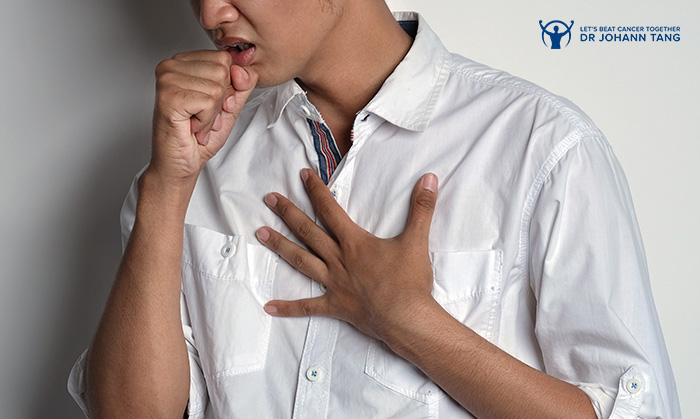
Myths about lung cancer can lead to delayed medical review and unnecessary anxiety. This article breaks down key misconceptions, explains the realities behind prognosis and symptoms, and outlines why lung cancer does not follow a single pattern. By addressing these myths, readers gain a clearer understanding of when symptoms should be evaluated and how care decisions are typically guided.
-

Smoking is by far the leading cause of lung cancer. However, it is not associated with every case of lung cancer. In fact, non-smokers make up only three in ten lung cancer patients in Singapore, according to a study by the National Cancer Centre Singapore (NCCS).
-
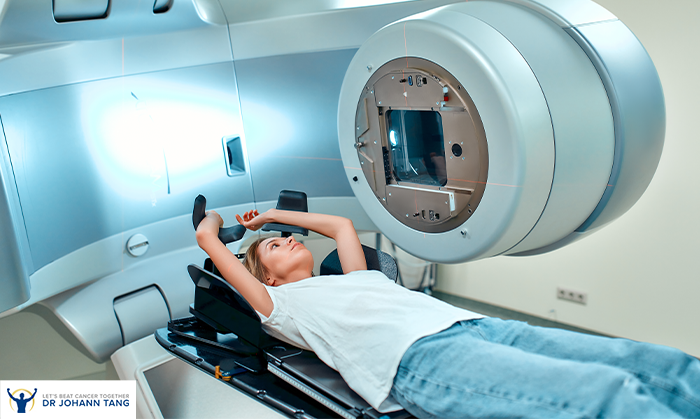
External Beam Radiation Therapy (EBRT) is a cancer treatment modality that utilises external radiation to kill cancer cells.

Dr Johann Tang
Senior Consultant Radiation Oncologist
Medical Director of ME Novena Specialist Group Pte Ltd
MBBS (Aust), FRANZCR (Radiation Oncology)
Dr Johann Tang is the Senior Consultant and Medical Director of ME Novena Specialist Group Pte Ltd. at Mount Elizabeth Novena Hospital and an Assistant Professor at the Yong Loo Lin School of Medicine, National University Singapore.
Why Choose Dr Johann Tang for Cancer Treatment in Singapore
Dr. Johann Tang is a radiation oncologist and cancer doctor in Singapore providing radiation therapy and cancer treatment for different types of cancers. Treatment plans are developed based on the patient’s diagnosis, cancer type, and medical condition. Radiation therapy techniques and treatment options are discussed during consultation, together with follow-up care and treatment planning for patients undergoing cancer treatment in Singapore.
"I guarantee my very best expertise delivered with compassion and dignity as we journey TOGETHER to BEAT this dreaded illness."
Make An Enquiry
Got Queries? Book an appointment with Dr Johann Tang by filling up this form. We'll get on a call with you as soon as possible.
Prefer to talk? Call us directly at +65 6690 6811
or email us at drjohanntang@gmail.com
